
Turbofan and turboprop/turboshaft engines for business aircraft of all sizes have made great strides over the last two decades in terms of improved efficiency and lower emissions in models including the GE Honda HF120, Pratt & Whitney PW800 and PW545D, Honeywell HTF7000 series, GE Passport, and Rolls-Royce Pearl. These new engines reduce fuel burn by up to 20% compared with legacy technology and feature innovative designs, materials, and production techniques. The efficiency gains come largely in the form of engines that deliver more thrust—and therefore faster times to climb and overall ranges—with nearly the same amount of fuel.
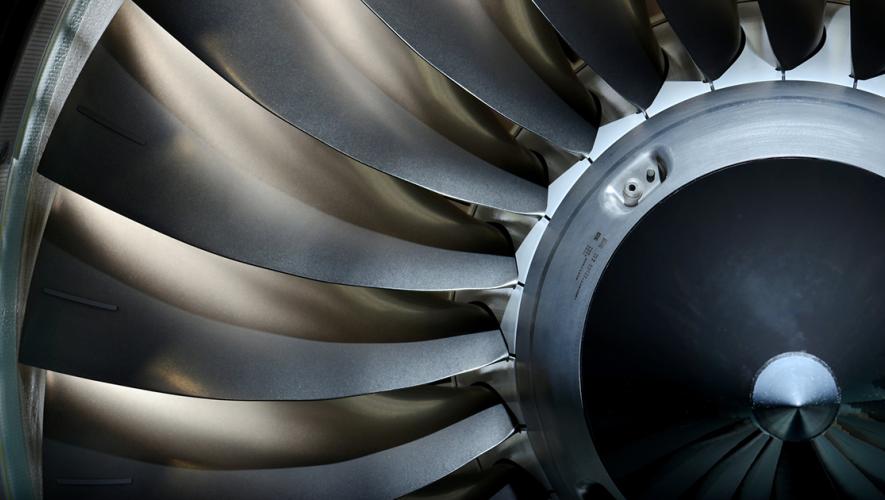
Unlike next-generation engines developed for airliners, which can gain efficiency by increasing fan size, new business jet engines rely on operating at higher temperatures and greater thermal efficiency with redesigned low-pressure turbines, exhaust nozzles, and shaped fan blades made together in a single forging called a blisk to save weight and reduce maintenance. Greater use of composites and additive manufacturing also saves weight and reduces parts counts, simplifying manufacturing and maintenance.
More In Engines