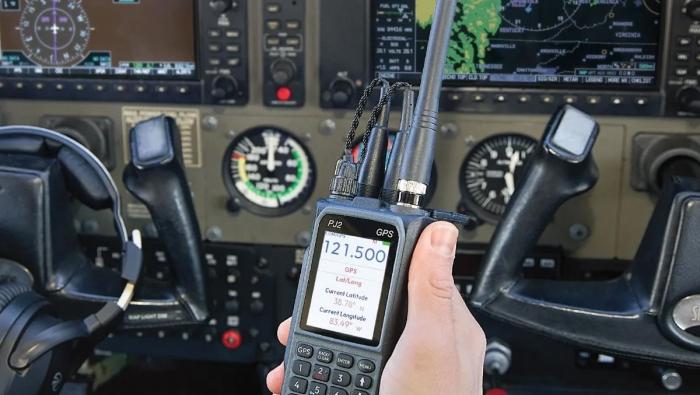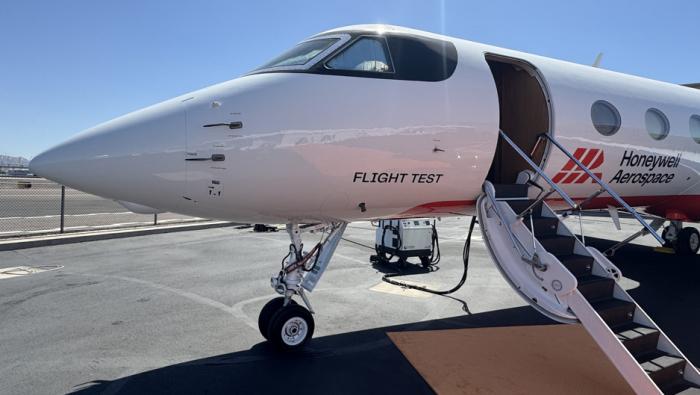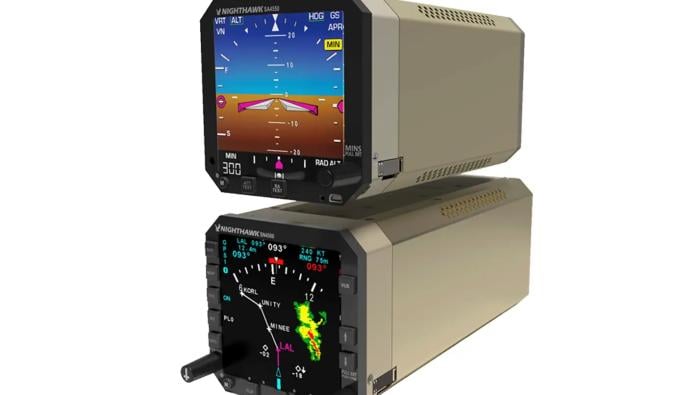

When business jet pilots look at the instrument panels of today’s modern airline jets, they might be surprised to see that the avionics in those airplanes are not the latest and greatest but represent a different approach to providing important information to pilots. Most airliners, for example, even those coming off assembly lines today, do not have synthetic vision, something that has been a staple in business jet flight decks for years. And moving maps on today’s airliners come up way short on detail when compared to a sub-$1,000 Apple iPad running one of the many available moving-map electronic flight bag apps.
This isn’t because Boeing and Airbus and Embraer don’t want to add the latest technology to their products but it has more to do with the way airlines prefer to configure their aircraft. Airline flight decks, for example, are mostly a combination of products from different avionics manufacturers, built to a specification developed by the airframer and its airline customers. And airlines are loath to spend money on unnecessary features, especially if they aren’t mandated by a regulator. Synthetic vision is in this case a “nice to have” feature and isn’t mandated, and thus is subject to being left behind during design decisions. That is despite the fact that many pilots believe synthetic vision is a fantastic situational awareness safety tool.
More In Avionics