
Like many of you, I, too, celebrate—albeit cautiously—aviation’s accident record; or rather the lack-of-accidents record. This past year saw zero fatalities worldwide in commercial passenger jet travel, causing many to laud it as “the safest year in aviation ever.” It’s important to note that this statistic includes only “passenger,” “commercial,” and “jet” flights. There were 10 other airliner accidents (including cargo and turboprop aircraft) that resulted in 79 fatalities, involving crewmembers, passengers, and people on the ground. In the U.S., the last fatal crash involving a scheduled, FAA-certified airline was the 2009 Colgan accident outside Buffalo, New York. All 49 people on the aircraft were killed, as was one person on the ground. Again, it’s important to read all the modifiers in that sentence; we're talking about FAA-certified, scheduled airlines, which doesn’t include most Part 135 flights and foreign airlines like the Asiana Airlines flight that crashed in San Francisco in 2013, killing three people.
Notwithstanding all the qualifiers to the accident records, there’s no question great strides have been made in managing risk and creating a safer system. I applaud all those who have made the accident rates as low as they are. Safety is truly a team effort and everyone deserves credit: the frontline workers (pilots, mechanics, air traffic controllers, ramp workers, and so many others)—, those who toil in back offices doing the unheralded jobs that also contribute to the incredibly low accident rate (data gatherers and analysts, to name just two), and their supervisors, managers, and executives in industry and government whose leadership deserves recognition.
With more than 40 years experience in the aviation industry, The Honorable John Goglia, was the first and only Airframe and Powerplant mechanic to receive a presidential appointment to the National Transportation Safety Board (NTSB). He served from August 1995 to June 2004.
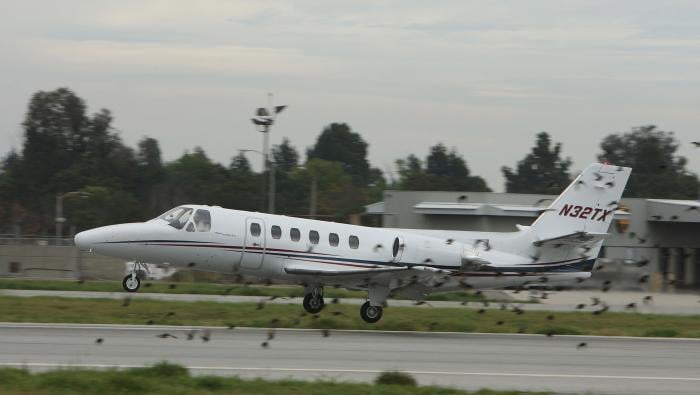
As a Board Member, Mr. Goglia distinguished himself in numerous areas of transportation safety. In particular, he was instrumental in raising awareness of airport safety issues, including the importance of airport crash fire and rescue operations and the dangers of wildlife at airports. He played a key role in focusing international attention on the increasing significance of aircraft maintenance in aviation accidents. He pressed, successfully, for greater integration of civilian and military safety information, becoming a featured speaker at national aviation symposiums attended by military leaders and major defense contractors. He is a leading proponent of airplane child safety seats.
Prior to becoming a Board Member, Mr. Goglia held numerous positions in the airline industry. He started as a mechanic for United Airlines and eventually joined Allegheny, which became USAir. Additionally, he was involved for more than 20 years as a union flight safety representative on accident investigation teams. There, he developed a safety program for his union, the International Association of Machinists, and was its representative for NTSB investigations. For twelve years, he operated his own aircraft service company.
Numerous prestigious groups have recognized Mr. Goglia’s contributions to aviation safety. Aviation Week & Space Technology awarded him a coveted 2004 Laurel for his outstanding service as an NTSB Board member. The Society of Automotive Engineers presented him with the Aerospace Chair Award for outstanding leadership in 2003 and the Marvin Whitlock Award for outstanding management accomplishment in 2002.

More In Safety