A battery test pack caught fire on Monday at Archer Aviation’s battery lab in San Jose, California, after its lithium-ion cells overheated in an uncontrollable chain reaction known as thermal runaway. The fire injured three people and forced about 100 people to evacuate, Archer reported.
Company co-founder and CEO Adam Goldstein said on X that the pack was a next-generation battery for “a future pipeline program,” not for the company’s Midnight eVTOL air taxi. Archer has not said what that program is. Its other announced programs include Thunder, a hybrid-electric autonomous defense aircraft it is developing with Anduril, and Halo, a commercial utility drone derived from Thunder.
In a report to the California Governor’s Office of Emergency Services (Cal OES), Archer said the incident began at 10:27 a.m. at its 77 Rio Robles facility and involved fewer than 30 Molicel lithium-ion cells. The company blamed the thermal runaway on an employee error.
Local firefighters moved the pack into a suppression tank, where fire watch personnel monitored it overnight, according to the report. Three people were evaluated for their injuries and subsequently released.
“On Monday, we had a small fire during routine battery testing in our 77 Rio Battery lab,” an Archer spokesman told AIN in an email. “The fire was quickly extinguished and all employees were safely evacuated.” In his X post, Goldstein said the team identified the root cause and resumed testing the next day. Archer has not described the employee error or the nature of the injuries.
Molicel Cells Power Midnight
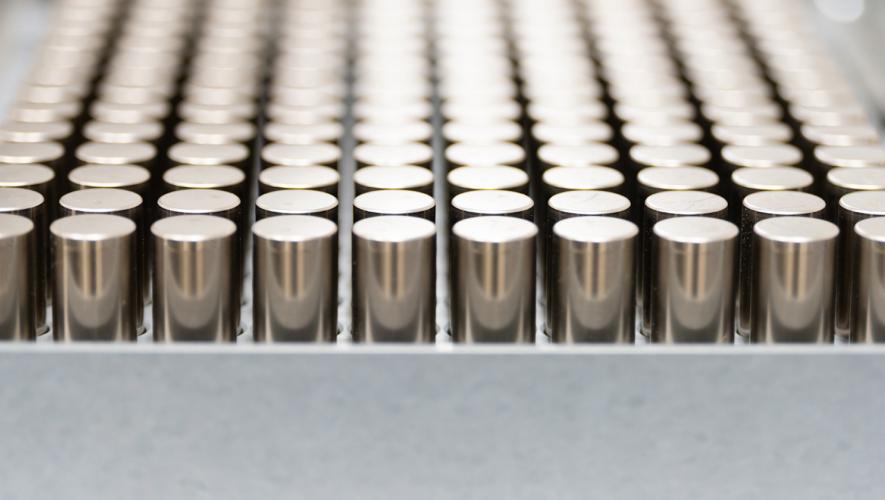
Archer has said it uses cylindrical 2170 lithium-ion cells from Taiwan-based Molicel in the proprietary battery packs that power Midnight. The aircraft carries six 800-volt packs. When it unveiled Midnight in 2022, Archer said it had developed a proprietary thermal runaway strategy for the aircraft but did not disclose how it works.
In 2024, the company signed a Space Act Agreement with NASA to study the safety and performance of those cells, with some tests focused on what Archer called “extreme abuse cases.” Archer has not said whether the pack that caught fire used the same Molicel cell model as Midnight.
Molicel also has agreements to supply or develop cells for UK-based Vertical Aerospace’s eVTOL aircraft, Munich-based Vaeridion’s nine-seat Microliner, and Montreal-based Evio’s 810 hybrid-electric regional airliner. The October 12 incident appears to be the first publicly reported thermal runaway incident involving Molicel cells at a U.S. eVTOL developer’s facility.
A Known Risk for Electric Aircraft Developers
Preventing a single cell failure from spreading through a pack is a central safety challenge developers face as they work to certify electric aircraft. In January 2020, a fire that started in a ground-based battery system damaged Eviation’s first Alice prototype during ground testing at Prescott Regional Airport (KPRC) in Arizona.
Beta Technologies also had a battery fire in August 2022, when a reassembled lithium-ion pack caught fire in a shipping container outside its headquarters at Burlington International Airport (KBTV) in Vermont. Beta said the pack was awaiting end-of-line testing and had not been approved for flight. No one was injured, and firefighters put out the blaze in about 30 minutes.
In 2021, Luminati Aerospace CEO Daniel Preston claimed that almost every major eVTOL developer had experienced a potentially catastrophic fire caused by a battery pack failure. He said his upstate New York company suffered $2.4 million in damage in 2019 when a single cell anomaly set off a chain reaction in one of its battery packs.
The Rio Robles Site
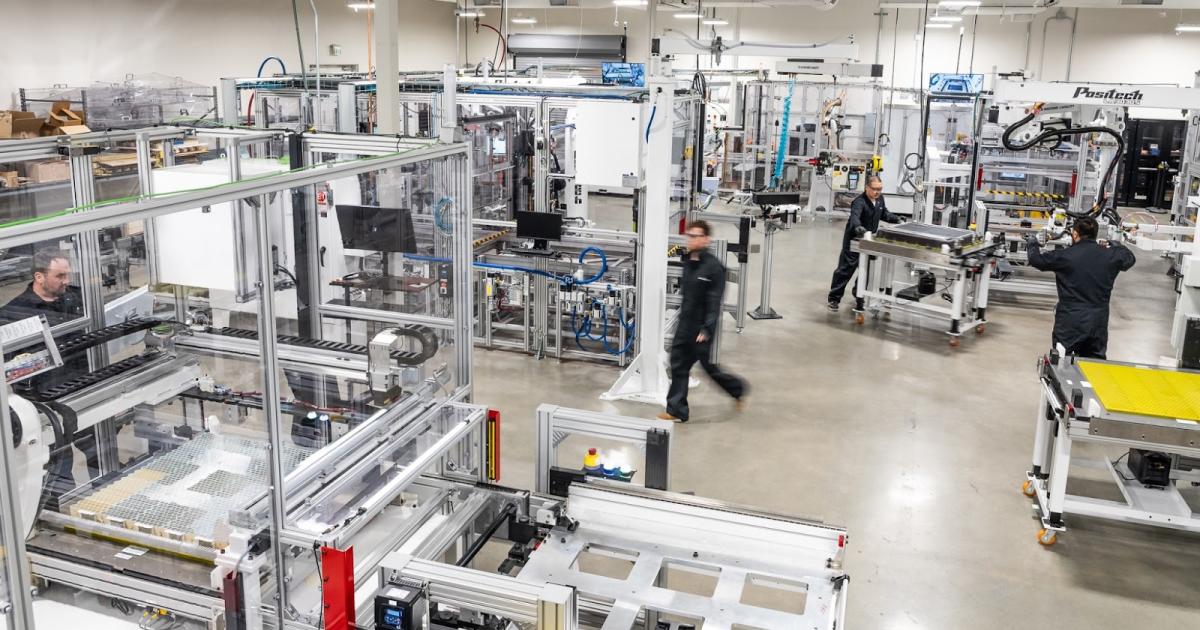
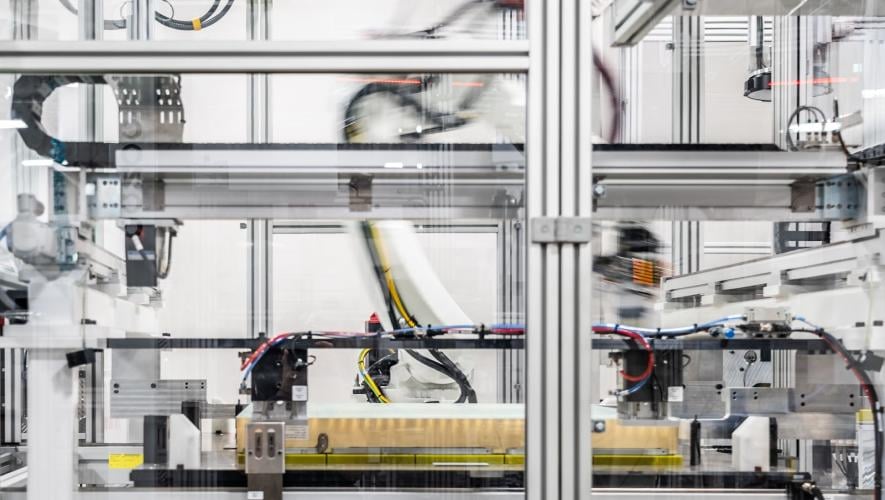
The 68,000-sq-ft building that Archer calls its “77 Rio Battery lab” sits a few blocks from the company’s headquarters on West Tasman Drive. Archer signed a 7.5-year lease for the site in 2022, according to SEC filings, which describe it as lab space and a low-rate initial production facility.
In 2024, Archer said it had installed an automated battery pack production line there that can build up to 15,000 packs per year. The line handles cell testing and loading, adhesive dispensing, laser cleaning, laser welding, and end-of-line testing, and it is meant to supply packs to Archer’s high-volume aircraft factory in Covington, Georgia. Archer said in early 2024 that its San Jose test lab and manufacturing facilities were also building electric engines, assembling its first conforming Midnight aircraft, and housing its “iron bird,” test rig.
The 77 Rio Robles building was also unfortunately the site of a fatal accident in July 2024. According to records from the California Division of Occupational Safety and Health (Cal/OSHA), two metal electrical cabinets fell from a forklift and pinned a 53-year-old electrical superintendent who worked for a contractor. He died at a hospital.
Cal/OSHA cited Archer, the electrical contractor, and a rigging contractor for alleged serious violations involving forklift operations, head protection, and injury prevention programs. All three companies are contesting the citations, and Archer faces $78,300 in proposed penalties.
In this article
More In Safety