It’s hard to watch the devastation from the recent hurricanes without—of course—feeling compassion for all the people affected by them in Texas, Florida and the Caribbean. The loss of lives and destruction of property is heartrending, and rebuilding will takemonths, if not longer. As a long-time emergency planner and one-time director of emergency planning at the University of Saint Louis, I look at the government's and private industry's emergency efforts and think of the plans I’ve helped put in place or consulted on. How would they have fared under these massive, rapidly changing events? And what lessons can we draw from what went well and what didn’t?
I have learned a few lessons from the days immediately after the disasters have struck and recovery is in its early stages. I’m sure there will be more lessons to be learned when response plans are analyzed and after-action reports are written. It will be important for all of us to review those reports and update our own personal and business emergency plans by drawing on the insights gleaned from these disasters.
With more than 40 years experience in the aviation industry, The Honorable John Goglia, was the first and only Airframe and Powerplant mechanic to receive a presidential appointment to the National Transportation Safety Board (NTSB). He served from August 1995 to June 2004.
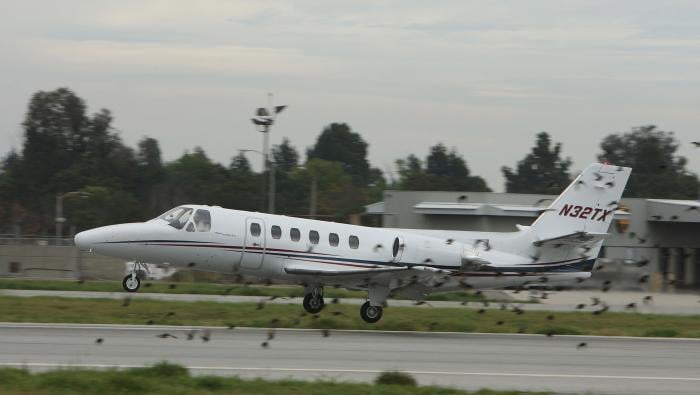
As a Board Member, Mr. Goglia distinguished himself in numerous areas of transportation safety. In particular, he was instrumental in raising awareness of airport safety issues, including the importance of airport crash fire and rescue operations and the dangers of wildlife at airports. He played a key role in focusing international attention on the increasing significance of aircraft maintenance in aviation accidents. He pressed, successfully, for greater integration of civilian and military safety information, becoming a featured speaker at national aviation symposiums attended by military leaders and major defense contractors. He is a leading proponent of airplane child safety seats.
Prior to becoming a Board Member, Mr. Goglia held numerous positions in the airline industry. He started as a mechanic for United Airlines and eventually joined Allegheny, which became USAir. Additionally, he was involved for more than 20 years as a union flight safety representative on accident investigation teams. There, he developed a safety program for his union, the International Association of Machinists, and was its representative for NTSB investigations. For twelve years, he operated his own aircraft service company.
Numerous prestigious groups have recognized Mr. Goglia’s contributions to aviation safety. Aviation Week & Space Technology awarded him a coveted 2004 Laurel for his outstanding service as an NTSB Board member. The Society of Automotive Engineers presented him with the Aerospace Chair Award for outstanding leadership in 2003 and the Marvin Whitlock Award for outstanding management accomplishment in 2002.

More In Safety