Sure, it’s fun to think about how far aviation–and in particular the avionics field–has come in the last 100 years. But the technology innovations of the last century will pale in comparison with what we’re likely to witness in the next 20 years, researchers predict.
Consider what has come to pass so far. Aviation legend Jimmy Doolittle made the first “blind” landings in 1929 using an experimental Sperry gyroscopic artificial horizon and runway homing beacons. Digital fly-by-wire flight controls grew out of NASA’s Apollo space program, making powered flight a sophisticated endeavor long before Apple’s iPad and Google’s Android cellphone made us drool.
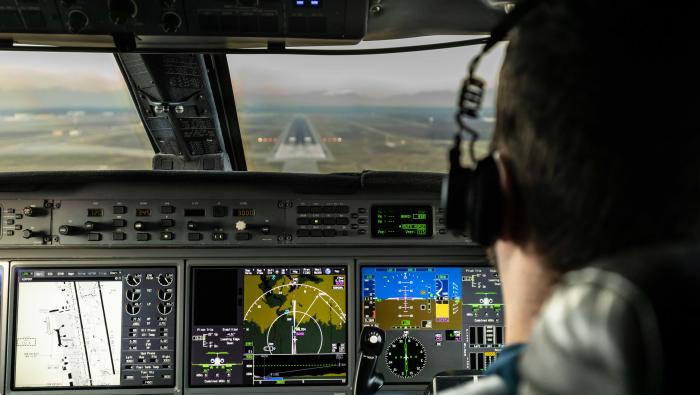
Flight management systems and EFIS technology were created and evolved in the 1970s and 1980s, culminating with the introduction of the first fully integrated avionics systems in the 1990s. These cockpits have grown into the cursor-control-driven cockpits of today, appreciated by pilots for delivering an ever expanding array of flight-related information, from the latest Nexrad weather radar graphics beamed by satellite to 3-D synthetic-vision presentations of the world outside.
But looking back at how far aviation has come only adds to the intrigue of hearing avionics technologists explain why the innovations just beyond the horizon will eclipse everything that has emerged so far.
More In Avionics