The crash of Colgan Air/Continental Connection Flight 3407 (a Bombardier Dash 8 Q400) on February 2 has again raised the same issues about in-flight icing that came to light after the 1994 icing-related crash of American Eagle Flight 4184 in Roselawn, Ind., and other icing accidents. The issues have to do with autopilot use in icing conditions, training that pilots receive for flight-in-icing conditions, especially regional airline pilots flying airplanes at altitudes more conducive to icing, and why air traffic controllers and pilots don’t work together to avoid icing conditions instead of keeping airplanes in icing for long periods of time during terminal operations. Although the manufacturer of the ATR-72 that crashed in Roselawn was criticized for design features that some believed contributed to the ice accumulation on the American Eagle turboprop, the significant amount of time that the pilots spent in what turned out to be severe icing conditions was a major factor in that accident.
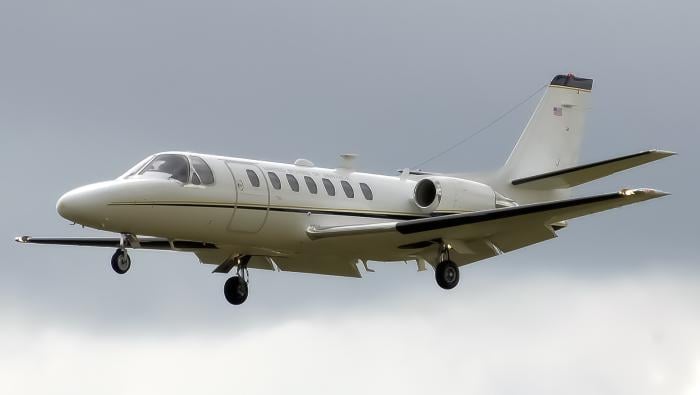
Since the Roselawn accident, two widely publicized accidents, in which pilots kept their airplanes on autopilot in icing conditions to the point that the airplanes stalled and then crashed, have added to the debate about pilot technique in icing. That the Colgan pilots did exactly the same has generated concern about whether key information is being delivered to pilots. The other two accidents in which autopilot use was a factor were Comair Flight 3272, an Embraer EMB-120 Brasilia on Jan. 9, 1997, in Monroe, Mich., and the crash of a Circuit City Citation 560 in Pueblo, Colo., on Feb. 16, 2005. For unexplained reasons, the NTSB’s conclusions on the causes of these two accidents skipped over the autopilot use, although it was covered in detail inside the accident reports.
More In Safety