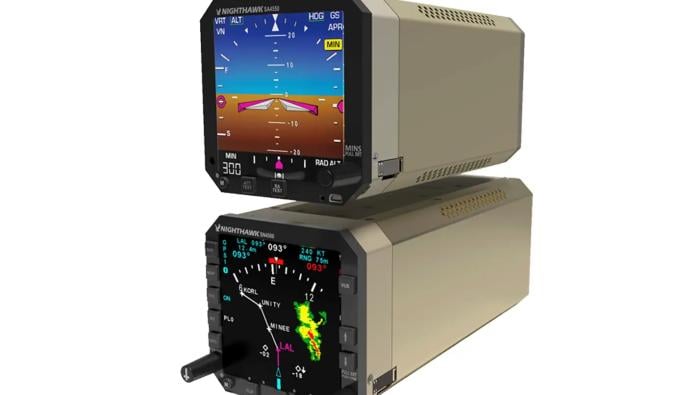
Since the introduction of the enhanced ground proximity warning system (EGPWS) in 1996, more than 16,000 airplanes worldwide have been fitted with the Honeywell-manufactured safety device. In that time, the CFIT (controlled flight into terrain) accident rate among aircraft that carry EGPWS has dropped to zero. Specifically, the statistics show that after more than 60 million flights over a seven-year span, not a single airplane flying with EGPWS has fallen victim to CFIT. Quite the contrary, on dozens of occasions pilots have reported that the device probably prevented a crash from occurring or broke the chain of events that was leading toward a dangerous situation.
And yet the man most responsible for the development of EGPWS, Honeywell chief engineer Don Bateman, is the first to admit the system’s limitations. Few are more versed than Bateman on the subject of CFIT accident statistics or as passionate when arguing that such catastrophes can be prevented. He seems to know by rote the circumstances of every major CFIT-related air disaster in the last 20 years, describing each in ways that convey to the listener that he is deeply and emotionally invested in his chosen profession.
More In Avionics