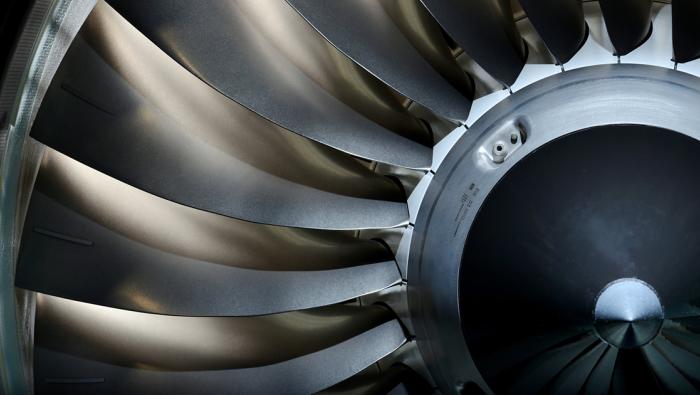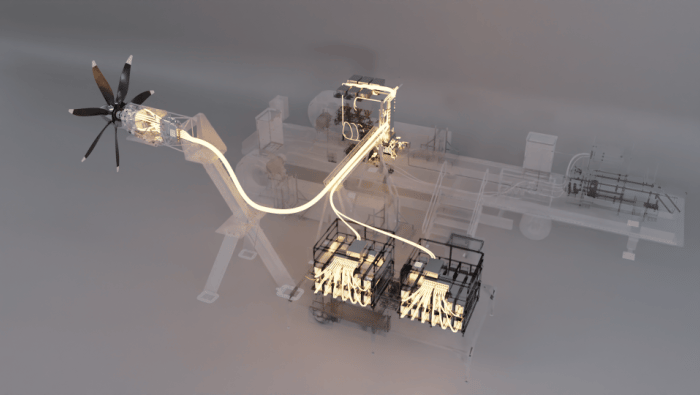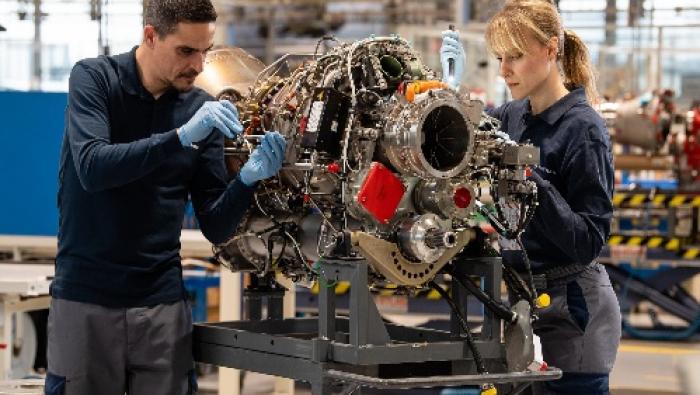

Despite some vacillation by ATR and Bombardier, who are still studying the form their respective 90-seat regional airliners might take, development of Pratt & Whitney Canada’s new turboprop engine continues on a “critical path” to an expected launch next year, according to Richard Dussault, company vice president of marketing. Called the Next Generation Regional Turboprop (NGRT), the engine would feature an all-new compressor, a miniaturized version of Pratt & Whitney’s patented Talon combustor and, perhaps, an eight-blade propeller, all meant to contribute to a 20-percent improvement in fuel efficiency, as specified by Bombardier and ATR.
Approaching the end of what Pratt Canada calls Phase 1, which essentially involves component-level testing, program engineers just finished what Dussault called the inlet section, during which they tested the first two stages of compression. Dussault said the results proved satisfactory, allowing the company to ship the first complete compressor to Germany’s MTU, where schedules call for engineers to start the next round of testing next month. By the third quarter of this year the company expects to have collected enough data from 500 points of instrumentation on the compressor to validate its expected performance.
More In Engines