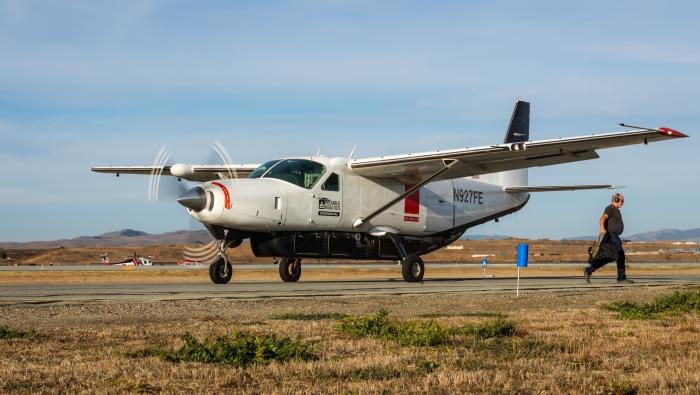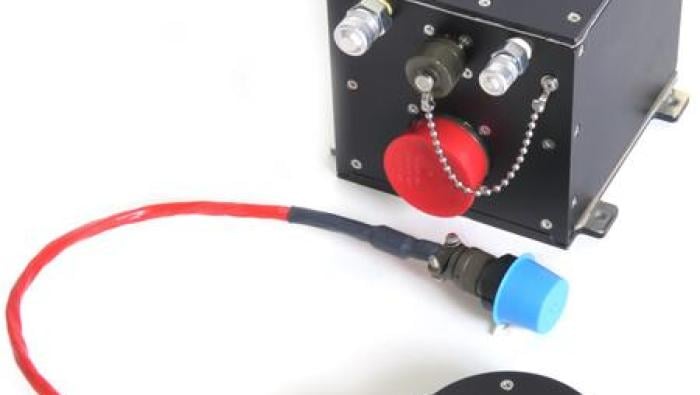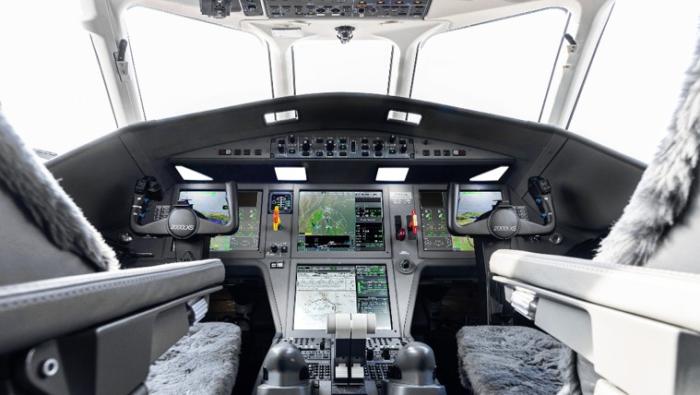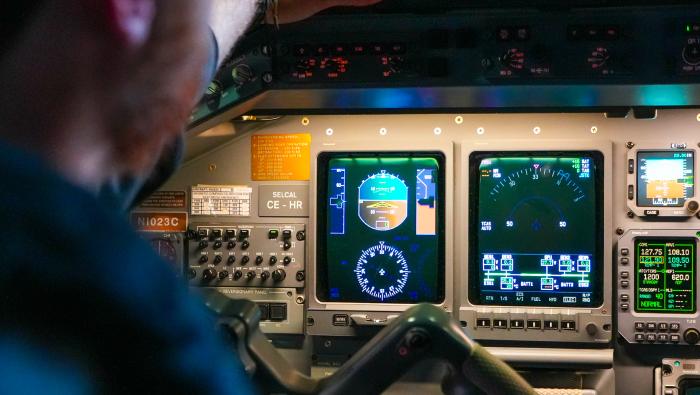

More than a century after the invention of the autopilot, aerospace engineers are still working to bring more automated processes into aircraft cockpits to enhance safety, increase efficiency, and reduce pilot workload. With the help of artificial intelligence (AI), autopilot technology has evolved from simple devices that maintain an aircraft’s altitude and heading to fully autonomous flight control systems capable of performing gate-to-gate operations without any human input.
One way or another, almost every aerospace and defense company exhibiting at this year's Paris Air Show increasingly is looking to exploit the potential for AI to improve their aircraft and other systems. This ubiquitous and rapidly morphing technology sphere likely will show a high profile at several forward-looking events during the main show. They include the Paris Air Lab, which concentrates on ensuring aviation's sustainable future, and the Avion de Métiers sessions, meant to lure young technologists into an industry that stands to learn much about AI from other sectors, such as automotive manufacturing.
More In Avionics