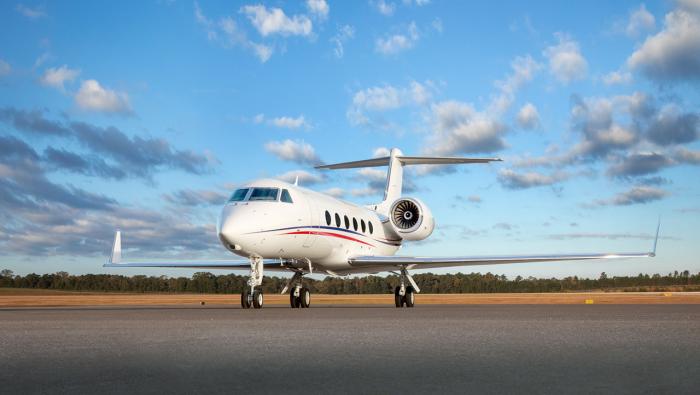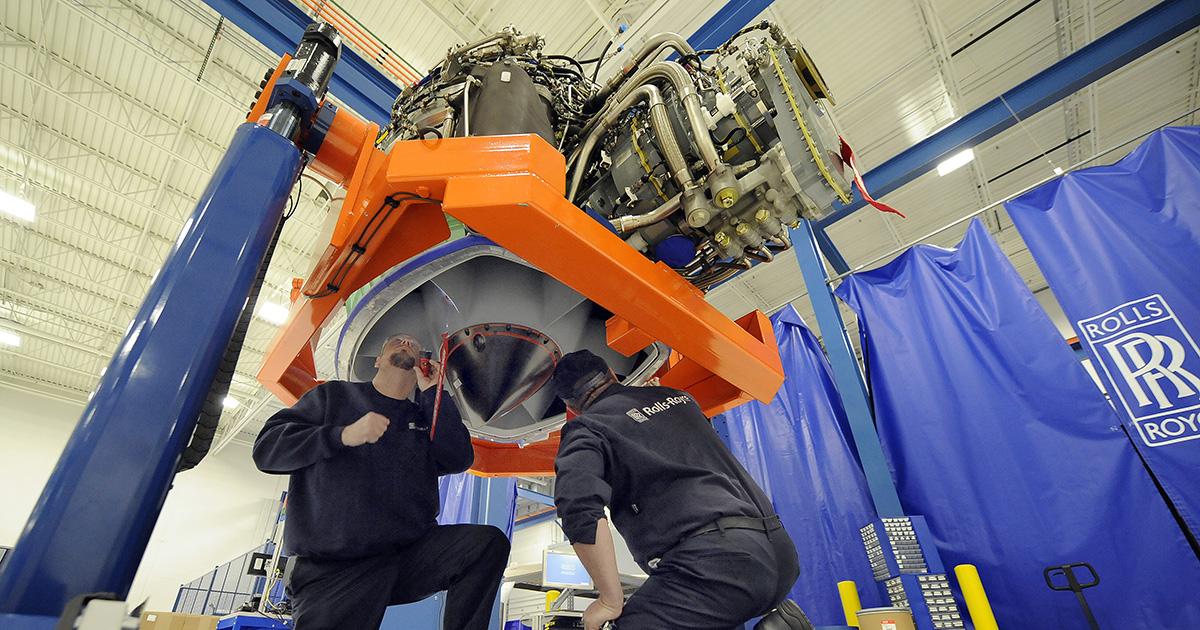
The capability is one part of Rolls-Royce Business Aviation’s broader support ecosystem, which includes its 24/7 Aircraft Availability Center, an approximately $1 billion global services network that consists of 85 authorized service centers, 85 dedicated on-wing services technicians, 250+ lease assets, 10 dedicated CorporateCare® parts stores, and 25 customer managers. Authorized service centers remain integral to that network, particularly for aircraft-level maintenance and the removal and installation activity that supports engine shop visits.
The Indianapolis capability was created to add flexibility to that established network, particularly at a specific point in the engine shop-visit cycle.
What if…?
One of the initial needs involved recovering Rolls-Royce lease engines after a customer-owned engine completed its shop visit. While the customer’s engine is being overhauled, the aircraft may remain in service with a Rolls-Royce lease engine. Once the customer-owned engine is ready, Indianapolis provides a focused Fly-In/Fly-Out option to reinstall it and return the lease engine to Rolls-Royce so it can support another customer.
That need helped lead to the Fly-In/Fly-Out capability at Rolls-Royce’s On-Wing Services facility in Indianapolis.
“We only work from the pylon out, so this was truly an experiment in a new kind of service,” explains Tim Wyckoff, Rolls-Royce Business Aviation’s Director of On-Wing Services. “Not long after we announced the program, it was pretty much booked solid—that answered our question.”
By focusing on pylon-out engine work, the Indianapolis team can coordinate specific engine events by appointment while working in sync with the broader Rolls-Royce authorized service network.
“We recently had a customer fly in to exchange a rental T/R (thrust reverser) for their repaired unit,” Wyckoff says. “They arrived in the morning, and right after we finished lunch, the aircraft was ready to leave.”
“Getting the airplane in and out in one day meant they could complete some very critical trips for the owner. They were beyond happy,” he continues.
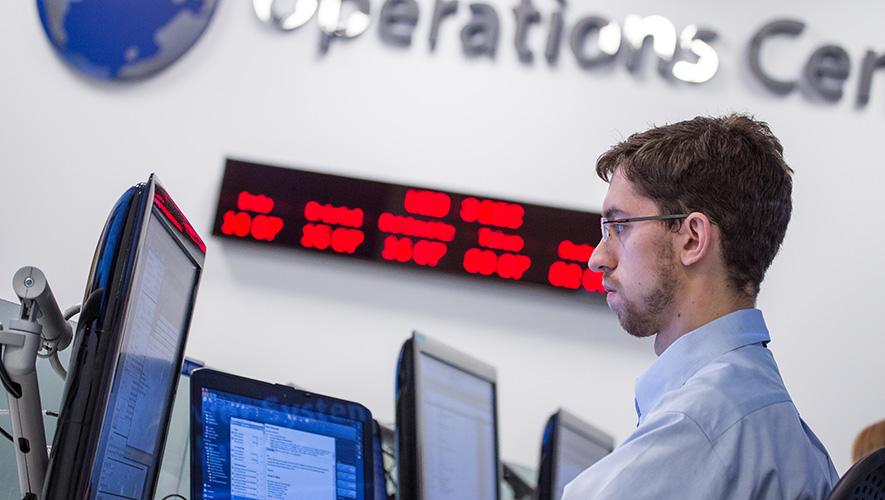
Bizjet engine service by appointment.
The appointment-based model allows the Rolls-Royce team to plan the people, tooling, parts and engineering support required for a specific engine event before the aircraft arrives.
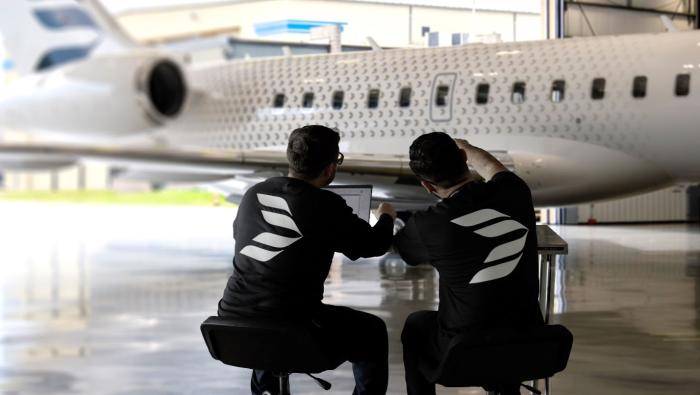
“When they pull up, our team is positioned and ready to work,” Wyckoff explains.
“Everyone has a job and is positioned to do that job when the airplane rolls in the hangar,” he says.
The capability is available to Rolls-Royce engine operators, with CorporateCare® and CorporateCare® Enhanced customers receiving priority access. For those customers, it also helps protect the availability of the Rolls-Royce lease engine pool that supports the program.
Engine swaps in record time.
Engine changes remain a core part of the Indianapolis workload, but the team has expanded its scope as the model has proven successful, including thrust-reverser changes, troubleshooting, inspections and other targeted on-wing maintenance.
Rolls-Royce’s investment in lease engines is an important part of CorporateCare® support, making timely recovery and redeployment of those assets critical.
“Recovering a lease engine after a service period is big, and it takes a lot of coordination,” Wyckoff says. “We involve the engine overhaul group, so we know when that engine is coming out of service, and we prep it for installation.”
“Because we are all within Rolls-Royce, we have the experts on hand to plan the entire process,” Wyckoff continues. “It goes beyond the engine and involves multiple experts across multiple parties.”
In some instances, a lease engine recovered from one customer has been prepared for installation on another customer’s aircraft shortly afterward—an example of how the capability can help keep the lease pool moving and available.
“It’s a great example of how far we can go to keep our customers flying,” Wyckoff adds. “A lot of these projects require engineering, and we’re in constant contact with Rolls-Royce engineering.”
That direct connection to Rolls-Royce engineering can also support inspections and technical decisions in real time when needed.
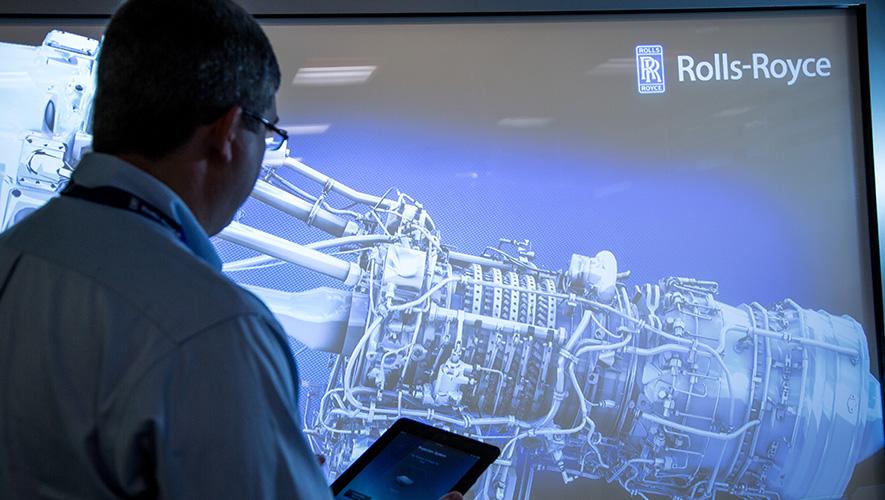
Fly-In/Fly-Out…Fly Happy.
“Of course, saving maintenance downtime and increasing aircraft availability is the most obvious benefit to the Fly-In/Fly-Out program, but there are others,” Wyckoff says. “One of the biggest is that the owner knows that only Rolls-Royce-trained technicians with years of experience will be working on their aircraft. That gives them great confidence that the job is done right.”
“We’ve also made the process easy for our customers to manage. One call to their Customer Representative takes care of it,” Wyckoff adds. “For CorporateCare and CorporateCare Enhanced customers, eligible covered services are managed through their program.”
Wyckoff stresses that Fly-In/Fly-Out is not a replacement for Rolls-Royce’s authorized service centers, but a complementary capability designed to give customers another targeted option and strengthen the overall support network.
“Since we introduced the program, we have not had any customer’s aircraft wait for a lease engine,” he says. “It is another way we can support CorporateCare customers and keep the lease-engine pool ready for the next need.”
In this article

More In Engines