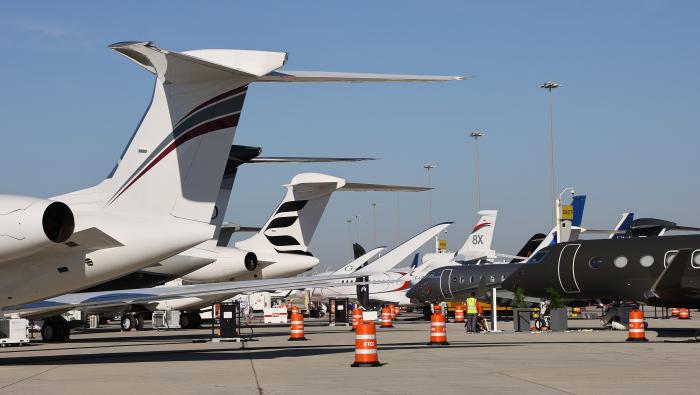


The new or threatened tariffs announced by the Trump Administration and other countries may cost more than you realize when buying and financing private aircraft. The on-again, off-again U.S. tariff activity has roiled the U.S. financial markets, triggered retaliatory tariffs, alarmed aircraft stakeholders, and created wide uncertainty in global trade.
The Trump Administration has imposed, modified, and/or delayed the imposition of tariffs on specific countries to achieve certain foreign policy and economic goals. To stop massive shipments of fentanyl into the U.S., the Administration has imposed tariffs on Mexico and Canada and a 20 percent tariff on Chinese-origin goods to make U.S.-origin products more price competitive with cheaper non-U.S. origin metal sellers. This tariff may affect the metals used by aircraft manufacturers (OEMs), repair facilities, and their suppliers.
David G. Mayer is a member of the global Aviation Practice Group at Shackelford, McKinley & Norton in Dallas, which handles private aircraft matters, including regulatory compliance, tax planning, purchases, sales, leasing and financing, risk management, insurance, aircraft management and operations, hangar leasing, and related corporate work. Mayer frequently represents corporations and high- and ultra-high-net worth individuals and other aircraft owners, flight departments, lessees, borrowers, operators, sellers, purchasers, corporations and managers, as well as lessors and lenders. He can be contacted at [email protected].

More In Regulations and Government