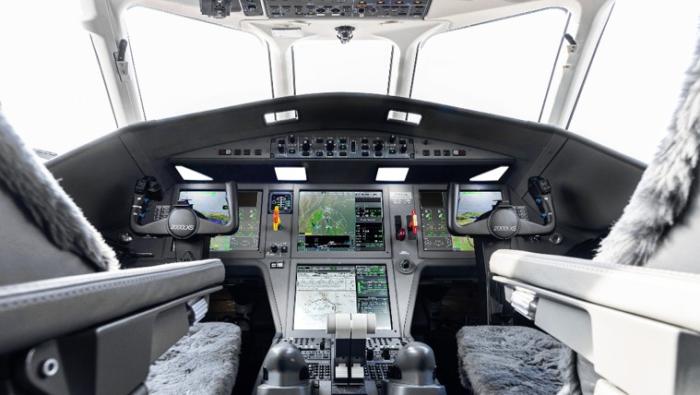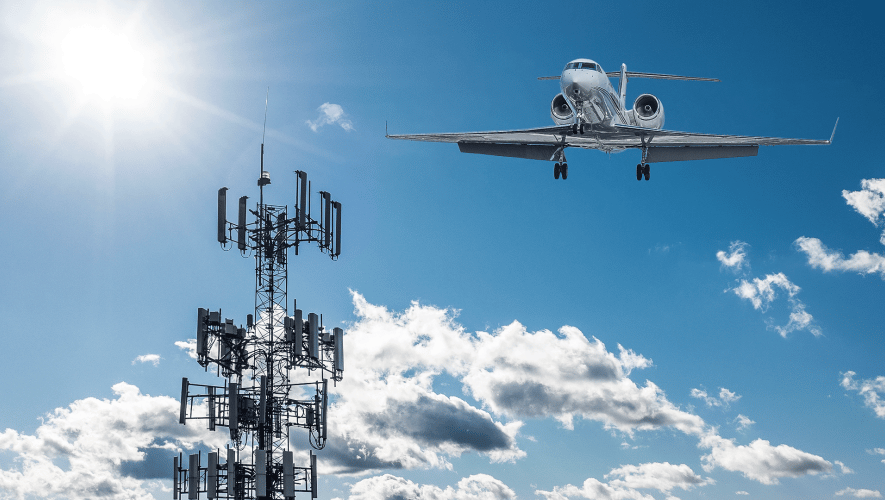

As the Gulfstream G650 descended on the ILS Runway 6 glidepath towards Teterboro Airport, we could see MetLife stadium next to the TORBY waypoint. Because we had been cleared for the ILS 6, circle to Runway 1 approach, we knew the drill: cross DANDY at 1,500 feet, descend to 1,300 feet and turn right after TORBY, keep an eye on the radio towers, hang a left around the stadium, then continue descending while lining up with Runway 1. The goal is to roll out at the proper altitude and speed so the approach would be stabilized. And all this while the winds were blowing at 18 gusting to 30 knots from the northwest, conditions that make this approach the go-to, provided the weather isn’t below IFR minimums.
With a smoothness that seemed unusual in such a large airplane and at bank angles never higher than 20 degrees, the G650 adroitly pirouetted around the stadium in a constant yet gentle descent, then smoothly straightened out. The result: a perfectly executed visual approach that lined us up on the PAPI glidepath and brought us neatly to 200 feet at no more than Vref +10, where I punched the autopilot off and, at 50 feet, pulled the power back and landed comfortably near the aiming point with plenty of runway left to come to a smooth stop.
More In Avionics