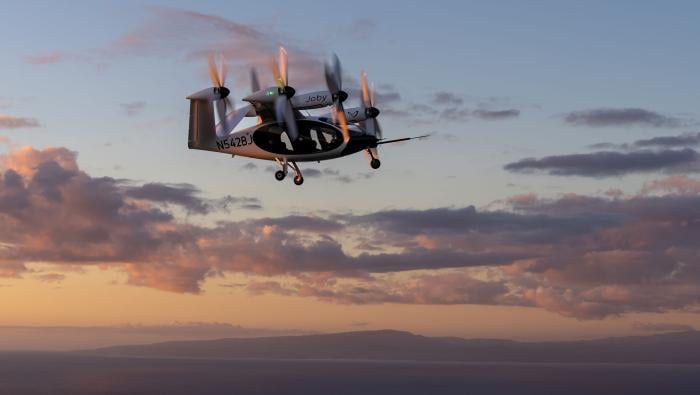

Within a week of the FAA’s heralding its milestone “achievement,” 1,000 so-called 333 exemptions to allow commercial use of unmanned aerial systems or drones, the agency issued a press release decrying what it calls the huge increase in drone sightings by pilots. According to the FAA, “pilot reports of unmanned aircraft have increased dramatically over the past year, from a total of 238 sightings in all of 2014 to more than 650” by the beginning of August this year. Aside from the fact that the FAA is encouraging reporting, as are aviation groups such as ALPA, which could account for the increase in sightings, the data itself is largely unvetted, with no FAA analysis that I’ve seen of any potential safety impact to the manned aircraft from any of these individual sightings. So, in my opinion, the value of this data for safety purposes is conjectural, at best.
In addition to questioning conclusions that can be drawn from the data, I also question the data itself. Are all these supposed drone sightings–even one at 10,000 feet–actually civilian drones, especially the small and popular consumer drones? It’s doubtful that they are the consumer drones that are selling by the hundreds of thousands in the U.S. and around the world, especially the small white or black drones that measure barely a foot in diameter and are hard for me to see at 300 feet when I know they’re there, let alone being seen from the cockpit of an airliner whizzing by at hundreds of miles per hour. It’s hard to spot single-engine aircraft, let alone tiny drones. I’ve investigated more than one midair in which manned aircraft did not see each other until it was too late–in fact, there have been two recent midairs where military jets collided with GA aircraft–so it’s hard to imagine distinguishing specks in the sky as drones, as opposed to, say, birds or balloons.
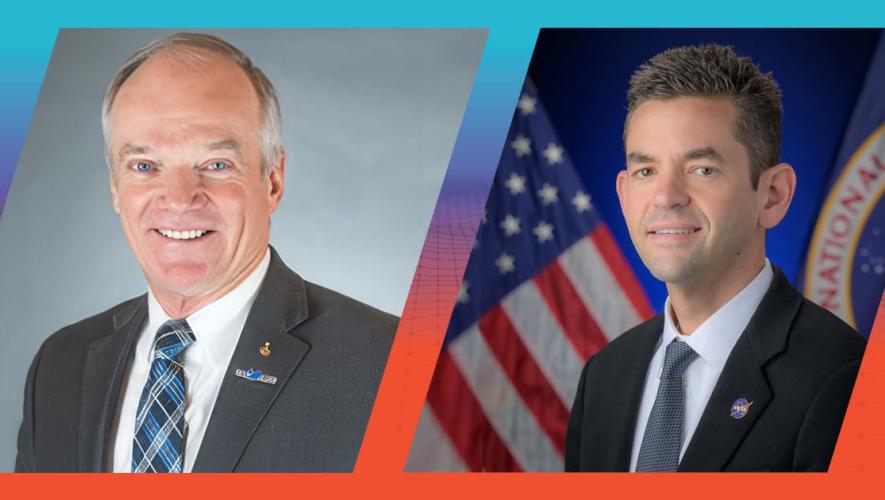
With more than 40 years experience in the aviation industry, The Honorable John Goglia, was the first and only Airframe and Powerplant mechanic to receive a presidential appointment to the National Transportation Safety Board (NTSB). He served from August 1995 to June 2004.
As a Board Member, Mr. Goglia distinguished himself in numerous areas of transportation safety. In particular, he was instrumental in raising awareness of airport safety issues, including the importance of airport crash fire and rescue operations and the dangers of wildlife at airports. He played a key role in focusing international attention on the increasing significance of aircraft maintenance in aviation accidents. He pressed, successfully, for greater integration of civilian and military safety information, becoming a featured speaker at national aviation symposiums attended by military leaders and major defense contractors. He is a leading proponent of airplane child safety seats.
Prior to becoming a Board Member, Mr. Goglia held numerous positions in the airline industry. He started as a mechanic for United Airlines and eventually joined Allegheny, which became USAir. Additionally, he was involved for more than 20 years as a union flight safety representative on accident investigation teams. There, he developed a safety program for his union, the International Association of Machinists, and was its representative for NTSB investigations. For twelve years, he operated his own aircraft service company.
Numerous prestigious groups have recognized Mr. Goglia’s contributions to aviation safety. Aviation Week & Space Technology awarded him a coveted 2004 Laurel for his outstanding service as an NTSB Board member. The Society of Automotive Engineers presented him with the Aerospace Chair Award for outstanding leadership in 2003 and the Marvin Whitlock Award for outstanding management accomplishment in 2002.

More In Regulations and Government