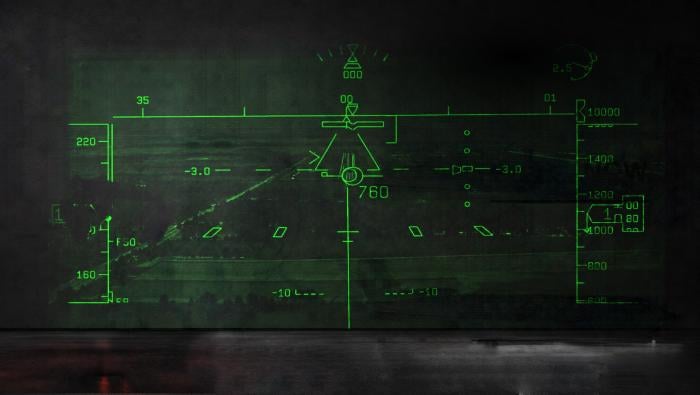

Today avionics manufacturers offer products that meet the FAR 91.175 requirement, which allows pilots to descend below 200 feet during an approach, using a system that displays infrared enhanced vision system (EVS) images on the head-up display (HUD), so the pilot can see the approach lights on the HUD before seeing the runway by the time 100 feet is reached.
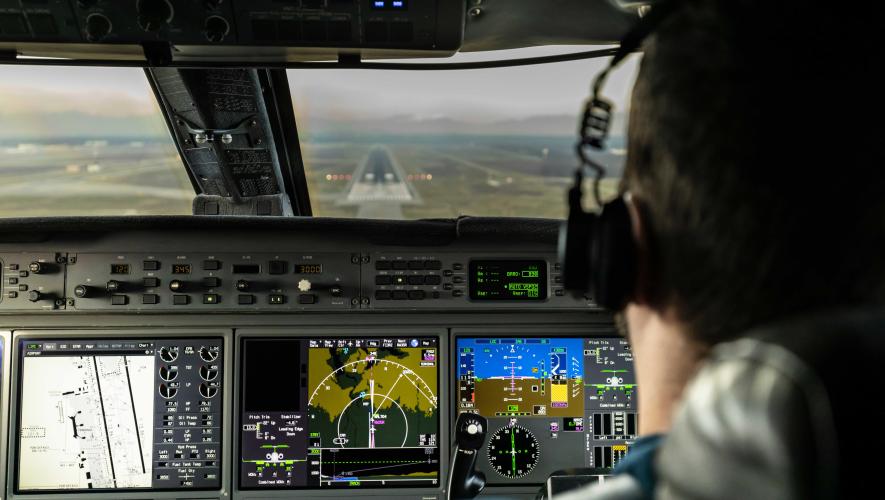
There could soon be an alternative, however, and Honeywell has been testing a head-down system, which replaces the HUD with a combined vision system (CVS). What CVS does is overlay EVS onto a synthetic vision system (SVS) view on the pilot’s primary flight display (PFD). In this case, the pilot will use the CVS to look for the runway environment–approach lights–then transition to the outside view at 100 feet and complete the landing. Honeywell is testing CVS and working with the FAA to seek approval for the same credit to descend below 200 feet available in FAR 91.175.
More In Avionics