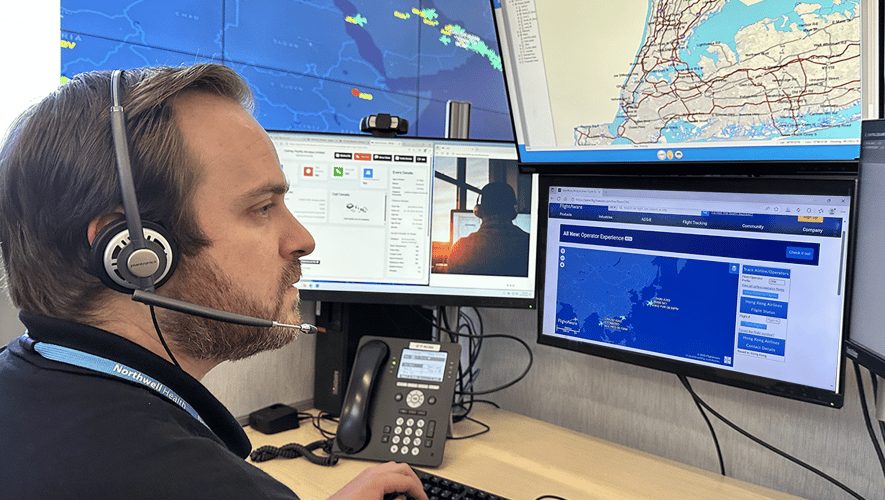
For around $10,000 per year, aircraft operators can now fly with diagnostic equipment that will allow them to relay vital medical data to ground-based emergency support physicians. The application of the equipment on air- craft is too new yet to have generated firm evidence on the extent to which it can save lives, but early indications are that in many cases it will make an important contribution to the effectiveness of in-flight treatment. It also promises to help aircrews make critical decisions as to whether or not it is necessary to make costly diversions.
But the performance and specifications of the available diagnostic equipment vary significantly, posing the classic consumer dilemma: “just how good a mousetrap do I need?” The three products currently available essentially offer users the sort of functionality that ground-based physicians would feel most comfortable with and solutions that have made a higher priority of pragmatism and cost efficiency.
More In Safety