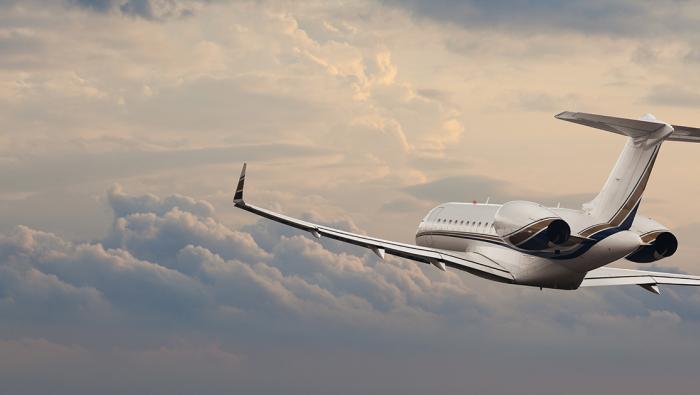
Like all high-tech industries, aviation has hardware, software and wetware. The last is a euphemism for the gray matter between a pilot’s ears (or a controller’s, mechanic’s or any other operator’s, for that matter). Over the 10 decades of powered flight, we’ve vastly improved aircraft engines and airframes. In the past two decades or so, computer processors and databases have left their indelible imprint on avionics. But we still fumble along with trying to understand how the human mind fits into the overall loop of flight management.
The American Psychological Association (APA) has a segment on its Web site entitled “An interesting career in psychology.” Two recent entries include the paths of a pair of Ph.D.s who have found their way into the study of aviation human factors. Their first-person stories present an interesting perspective on the aviation industry from those who study how the mind works–and what to do about it.
More In Safety