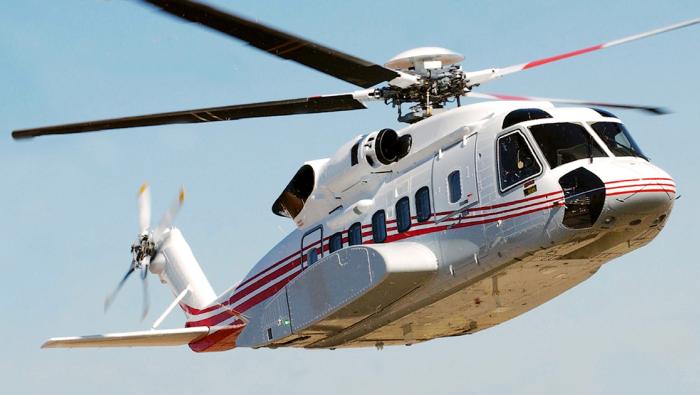
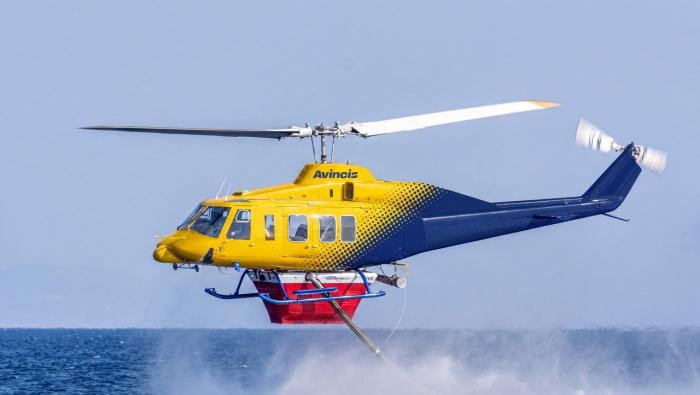
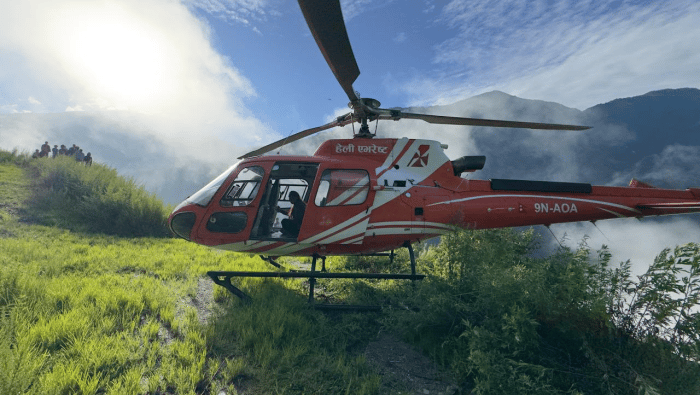
“Environmentally sensitive logging.” It’s a phrase that seems almost a contradiction in terms. After all, isn’t logging blamed for habitat destruction of a yards-long list of endangered and outright extinct species? And aren’t helicopters those esoteric flying machines that routinely spew death, fire, spare parts and, worst of all, noise, on every terrain they overfly?
Well, not exactly. Thanks to an innovative use of both rotary-wing technology and creative logging techniques, a unique partnership is making logging history smack in the middle of some of the most environmentally sensitive timber regions in the Western Hemisphere–the hotly contested old-growth forest regions of Vancouver Island, British Columbia. This land is a vast chunk of what was once Longfellow’s “forest primeval” extending from sea to sea from the arctic timberline at the northern end of the continent south to the great grasslands of the central plains. Over the past two centuries, three-quarters of Vancouver Island’s original old-growth forest has fallen to logging. Remaining relatively untouched, the Clayoquot Sound–made up of parts of Canada’s Pacific Rim National Park, British Columbia’s Stratcona National Park and a network of small ecological reserves–is a million-acre natural amphitheater measuring some 75 miles long, a network of fjords, islands and isolated enclaves with evocative names such as Pretty Girl Valley. Contained in the remaining old-growth areas are unique habitats to dozens of endangered species, deeply isolated groves containing the largest known concentrations of certain species and among the last untouched such areas on the North American continent.
Despite the official protests of national and provincial parks, most of the area’s old-growth forests stand on land legally available for old- fashioned clear cutting. Beginning in the late 1970s, lumber companies began targeting those old-growth areas in earnest. Environ- mental groups and loggers fenced their way through both the courts and on the picket lines, the matter climaxing in 1993 when protesters clashed in confrontations resulting in more than 850 arrests, said to be the largest display ever of public civil disobedience in Canada.
More In Rotorcraft