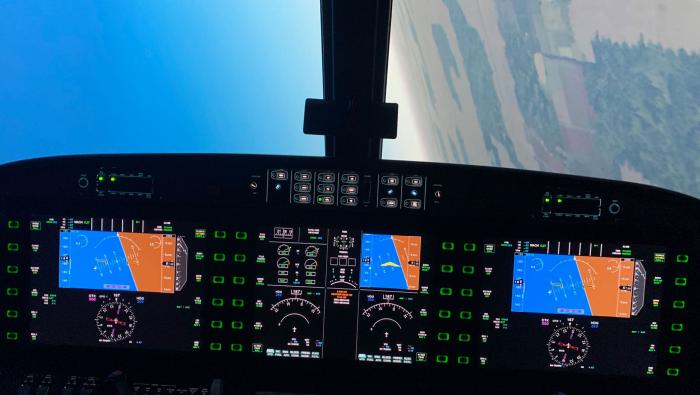
New tools exist to prevent those accidents that most worry safety experts. At the European Aviation Safety Seminar in Barcelona, Spain, in mid-March, speakers invited by the Flight Safety Foundation identified new trends in air safety, suggested solutions and proposed innovative tools for some–often underestimated–issues, including birdstrikes, which might increase in number; ramp accidents (more costly and more dangerous than previously thought); controlled flight into terrain (CFIT), which will probably remain a major cause of accidents in the near future; pilot error involving crosswind takeoff or landing; and, the increasing incidence of pilots’ rolling in the wrong direction when attempting an unusual-attitude recovery. Accident prevention methods and tool kits, new ground equipment and cockpit instruments were presented to combat these persistent pitfalls.
Wildlife strikes are increasingly worrying safety specialists, since conditions are ripe for their frequency to increase. In addition, certification requirements appear insufficient for airframes and engines to withstand the impact of what are likely to become more frequent collisions with large birds or flocks of birds. Birdstrikes already cost airlines an estimated $1.2 billion per year worldwide. More important, these encounters claimed the lives of at least 192 people and destroyed 140 civil and military aircraft between 1988 and last year.
More In Safety