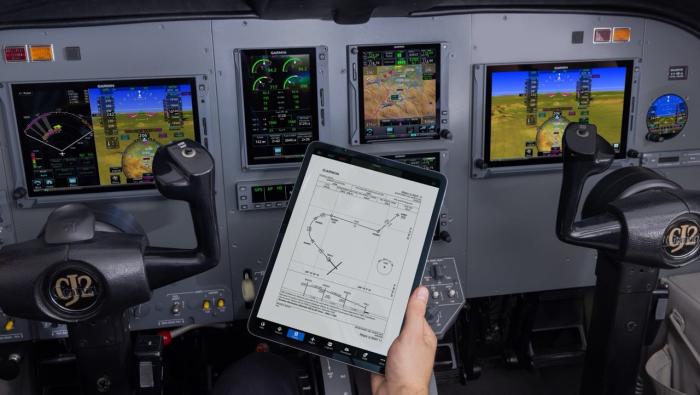
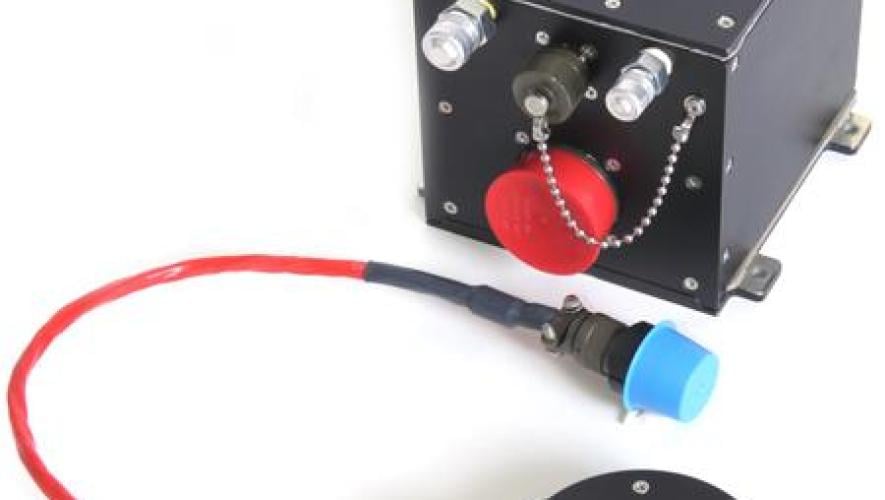
With the triple- and sometimes quadruple-redundant electrical systems in the most modern business jets, carrying a backup battery-powered handheld radio or GPS on board might seem as unnecessary as strapping on a parachute or affecting helmet, scarf and goggles. But for turboprop crews or operators of older business jets, the idea of needing such emergency backup might not be as farfetched. And then there’s always the convenience factor of being able to contact clearance delivery, call for fuel or buzz the front desk at the FBO without powering up the aircraft panel; or using a portable GPS with street-map capability for tracking down a restaurant, hotel or finding the way back to the airport.
What’s the likelihood of needing backup in the event of an aerial version of the great Northeast power failure of 2003? Pretty slim. FAA avionics certification regimes include hours of testing under unrealistically torturous conditions. Mean time between failure (mtbf) specifications for communication and navigation components are required to include huge margins. And unlike decades past, avionics suites are designed for and certified alongside the airframe’s electrical system, further improving the odds against the lights going out all at once.
More In Avionics