MTU Will Produce Hydrogen Fuel Cells For Regional Airliners
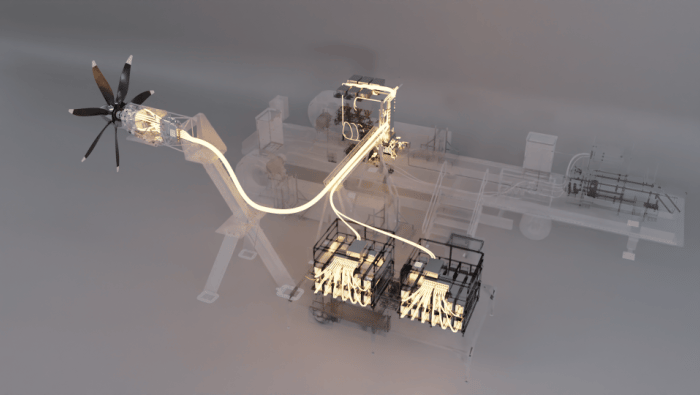
German aircraft engine maker MTU is working with its new electric motor subsidiary EmoSys to bring its Flying Fuel Cell powertrain to market in 2030.

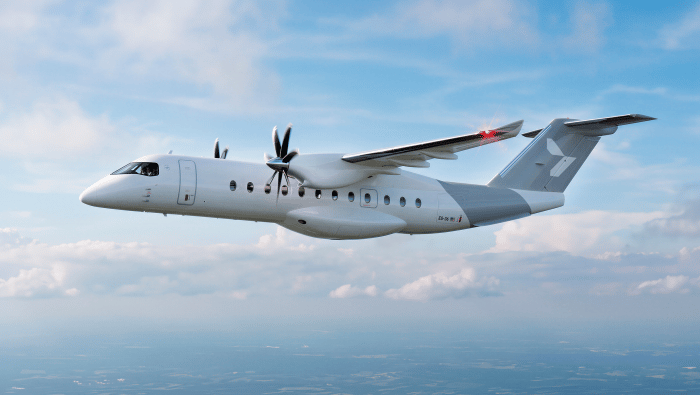
MTU Aero Engines this week launched plans to develop a hydrogen fuel cell propulsion system for commuter and regional aircraft. The German aircraft engine manufacturer unveiled its Flying Fuel Cell (FFC) concept on Monday at the Paris Airshow, confirming that it now will increase its 100-strong team of engineers as it works towards getting the system into commercial service in 2035.
According to MTU senior v-p for engineering and technology Stefan Weber, the company expects to increase the performance of the liquid hydrogen FFC to allow it to support short- and medium-haul flights in larger aircraft by 2050. “The FFC reduces the impact [of flying] on the environment by as much as 95 percent, so it’s practically zero,” he said.
More In Engines