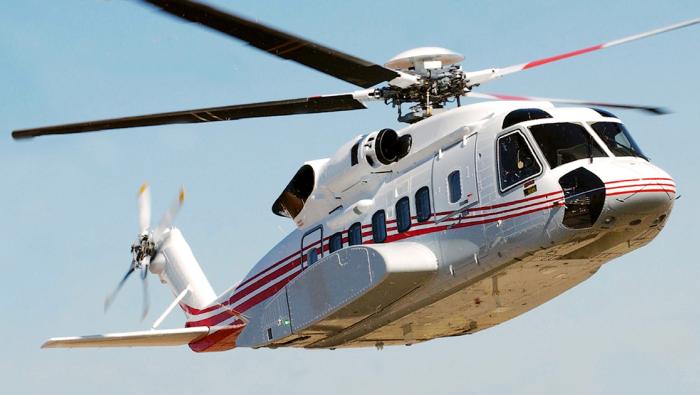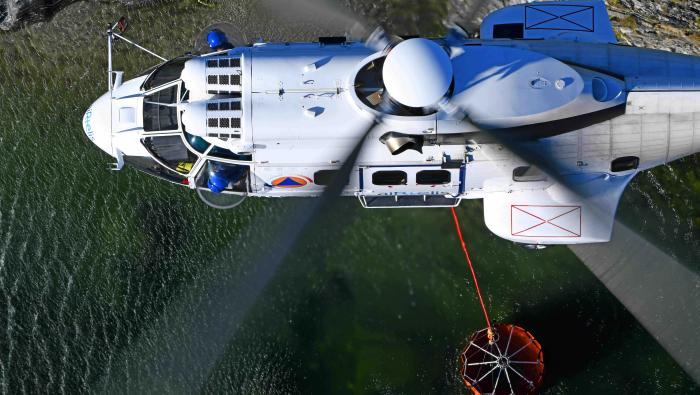

Rotorcraft often operate where bird activity is densest: low altitudes, near coastlines and waterways, around landfills, and along predictable routing features such as rivers and shorelines. Given this reality, the most effective bird strike defense is a layered strategy that combines regulatory baseline design standards, voluntary equipment choices, disciplined operating procedures, and consistent reporting that improves the data used to target mitigations.
Baseline rules focus on a defined certification case, not day-to-day mission profiles. In U.S. transport-category rotorcraft certification, FAR 29.631 states that a rotorcraft “must be designed to ensure capability of continued safe flight and landing (for Category A) or safe landing (for Category B) after impact with a 2.2-pound (1 kilogram) bird,” at a defined speed condition and “at altitudes up to 8,000 feet,” with compliance shown by test or substantiated analysis.
More In Rotorcraft