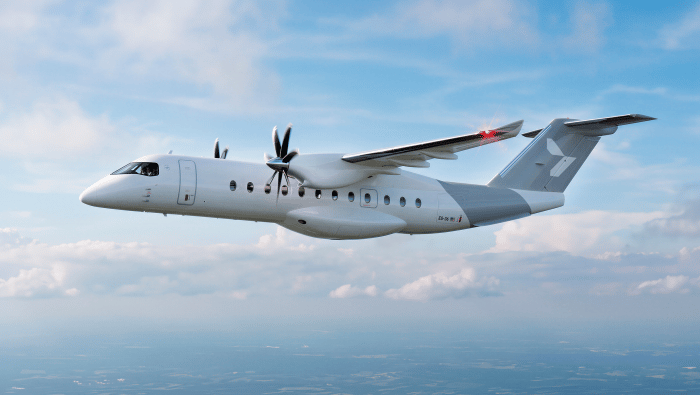
While much of the discussion about how to reduce aviation’s carbon footprint has focused on the availability of sustainable aviation fuel (SAF) and when and how electric aircraft may be unshackled from the limits of battery technology, hydrogen has been quietly moving up the future propulsion agenda. However, hydrogen has been gaining momentum for some time in other sectors of transportation, such as road, rail, and marine vehicles, and is increasingly being viewed as a viable longer-term alternative to fossil fuel. Some of the more bullish pioneers in the field are claiming they could have hydrogen-powered aircraft approved for service as soon as 2025 or 2026.
As recently as early 2020, the use of hydrogen in aviation seemed like something of a fringe research activity. The broad consensus seemed to be that all-electric or hybrid-electric propulsion should be the primary focus for smaller aircraft, but that for anything with more than 20 or so seats the green priority should be making existing turbofans, turboprops, and piston engines less gas-guzzling and pressing for the widespread availability of sustainable aviation fuels to burn in existing powerplants.
More In Engines