In 2008, Wachovia announced it was closing its flight department in 60 days.
For the people who worked there, those 60 days suddenly became a countdown.
Jamie Buff, who worked in maintenance, had just built a house, and his children were in school. He had come to Wachovia after serving in the Air Force and working for an OEM. He considered Wachovia his dream job.
Gabe Langenderfer, a pilot, had a wife and 2-year-old at home. His family had relocated twice in 12 months, most recently when a flight department merger brought him to Wachovia.
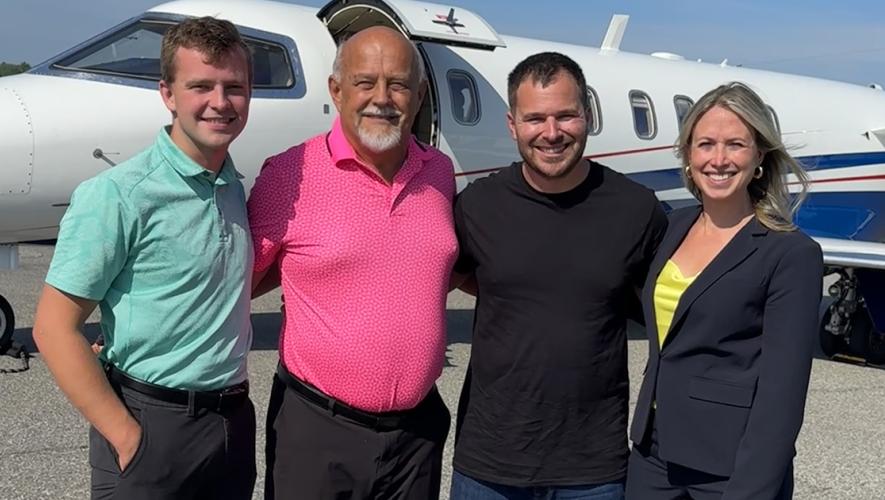
The day the closure was announced, my colleague and I were there to provide outplacement support for the team. That’s how I met Jamie and Gabe.
At the time, Wachovia’s was among the first of many flight departments that would close or downsize during the recession. None of us knew how hard the next few years would be for business aviation.
Jamie remembers the news the way many people who have lost a job will understand.
“It just takes the wind out of you,” he told me.
Gabe remembers the disbelief that followed the announcement.
“You go through the stages of grief,” he said. Then came the practical question: “What do I do next?”
His wife was more optimistic. She assured him they would figure it out.
Both got to work quickly.
Jamie started working his network and using the outplacement resources while he was still employed. Through NBAA Air Mail, he found a job in Colorado before the 60-day notice was up.
“I’m not going to sit around and wait for somebody to give me a job,” he said.
His wife found nursing work there, too. So Jamie’s family loaded up a U-Haul, hitched their car behind it and drove west to Colorado.
Meanwhile, Gabe made the job search his full-time job. He contacted former classmates and colleagues, practiced interviewing and brushed up on his technical knowledge.
Before each interview, he researched the company, its executives and the people he would meet.
“The real optimism came with each interview I was able to secure,” he told me.
A few weeks later, Gabe was hired by a local company that was putting a new aircraft into service.
“I was so fortunate. The timing was perfect,” he said.
Jamie remembers working on his resume and using an online portal to organize his profile, skills and certifications.
He also remembers the network he built during that period, one he still uses today.
“I’m a firm believer in that network,” he said.
In 2008, both Jamie and Gabe already had people they could call. Nearly two decades later, they’re still building those relationships and encouraging the people they lead to do the same.
Over the next 18 years, I watched both professionals go from individual contributors to department leaders.
Today, Jamie is a director of aviation maintenance, and Gabe Langenderfer, CAM, is a director of aviation.
I think what happened in 2008 helped shape the leaders they became. Gabe still remembers how his director handled the final weeks at Wachovia. He didn’t always have answers, but he shared what he knew. “It was still somewhat of a comfort that he was sharing information rather than radio silence,” Gabe said. That stayed with him.
Now, when his own team faces uncertainty, Gabe tries to be transparent and available. He also encourages employees to pursue education, professional development and industry relationships.
A different influence shaped Jamie at Wachovia. A demanding mentor prepared him for leadership, budgets and management. That preparation went well beyond the technical side of maintaining an aircraft.
Today, Jamie gives the technicians on his own team similar responsibility. Each runs an airplane, including its budget and maintenance planning.
“I want everyone who works for me to be able to leave tomorrow and go be a DOM somewhere,” Jamie said.
If someone gets that opportunity, Jamie tells them, “I’m going to be happy for you.” He’ll also be a reference.
Looking back, Jamie and Gabe had already spent years developing their skills and relationships before Wachovia closed its flight department.
Then, when outplacement support became available, they used it.
How an employer handles those difficult days matters, too. Wachovia gave its aviation employees notice, severance, information, and professional support.
Gabe still remembers a leader who communicated even when he didn’t have every answer. Jamie describes the outplacement support as a “good soft landing.”
Nearly two decades later, I can see pieces of that experience in the way they lead.
Gabe knows what it meant to hear from his director during an uncertain time, so he communicates with his own team. Jamie knows what it meant to have a mentor prepare him for greater responsibility, so he does that for his technicians.
They lost jobs they loved in 2008. But when I look at the leaders they are today, I also see what they carried with them.
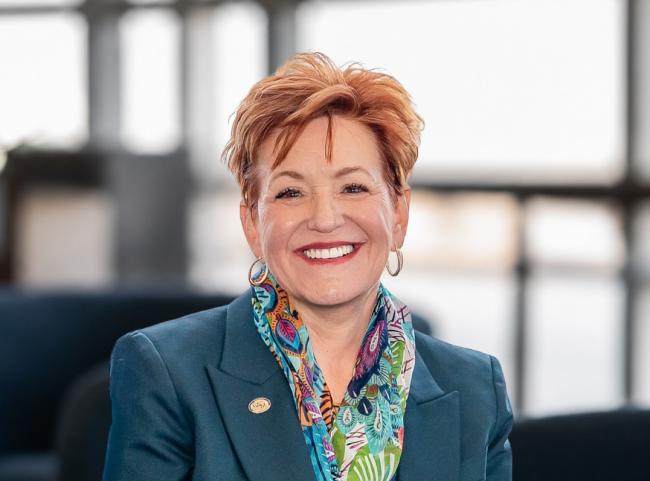
Sheryl Barden, CAM, is CEO of Aviation Personnel International, the longest-running recruiting and HR consulting firm dedicated to business aviation. A recognized thought leader on workforce and leadership issues, she is an NBAA CAM Fellow, past member of NBAA’s board of directors and advisory council, and recipient of NBAA’s John P. “Jack” Doswell Award for lifetime achievement and service to business aviation.
More In Training and Workforce