Expert Opinion
AINsight: Build the Bridge before They Leave
“Thirty years of judgment does not fit neatly into an exit interview”

back of head of old man
© AdobeStock

Think about the person in your flight department who everyone turns to. They know the aircraft, the owner, and how the operation really works. They remember why certain decisions were made years ago and can tell when something just doesn’t feel right.

Now think about how much of that knowledge walks out the door when they retire.

For many flight department leaders, there’s already a name on the team attached to that thought. Maybe more than one. We know who’s getting close, and lately, it seems like every scroll through LinkedIn brings another retirement announcement.

Business aviation is facing a wave of retirements over the next few years, and I keep thinking about how much we need to learn from these people before they go.

The need to replace key people came into sharp focus recently when I moderated an AIN roundtable with flight department leaders. One aviation director said his company won’t let him start recruiting until a position is vacant, while another director takes a very different approach.

When someone’s nearing retirement, he will hire that person’s successor as much as 18 months in advance.

They refer to it as a “bridge hire,” and the practice is deeply embedded in their culture.

As he explained it, the overlap is “a bridge one person walks another across, rather than a cliff the department jumps off the day someone leaves.”

“That time together is not padding in the schedule. It is the whole job,” he told me. The person leaving becomes the teacher, while the new hire absorbs the instincts, shortcuts, and judgment calls that never make it into a manual.

“By the time the retirement finally arrives, the handoff already happened, quietly, months before anyone noticed,” he said.

This leader is also using that time to protect the culture and trust his team has built with the enterprise over many years. Trust like that isn’t written down anywhere. As he described it, it’s carried from person to person.

Leadership supports the additional headcount because they’ve experienced firsthand the steadiness and judgment this team brings to the operation. They understand the value of giving someone time to learn from a longtime employee before that experience walks out the door.

“Thirty years of judgment does not fit neatly into an exit interview,” the leader said. “I’d rather pay for the bridge salary than pay, later, for what falls through the gap.”

Of course, many departments can’t simply add another person 18 months early. But how many have tried?

If it were me, I’d build a business case that starts with the retirement date and works backward. When did we last recruit for this position, and how long did it take? I’d look at what the market is like now, what we’ll need to pay, and how much notice a new hire may need to give. Then there’s training and the succession plan itself. How much overlap do we need for that person to be ready?

Once leadership sees that timeline, waiting for an empty seat may not look like such a good option.

There’s money at stake, too. I’d point to what we already know about the cost of replacing experienced pilots and maintenance professionals. Recruiting and training are only part of it. Lost productivity and added pressure on the rest of the team can affect morale. Even after the position is filled, it can take a year or more for someone new to get up to speed.

There’s something else I like about this approach. Asking a longtime employee to help prepare their successor sends a powerful message about how much the organization values the knowledge and experience they’ve built over their career.

Retirement can be bittersweet, and this gives that person an important final assignment: help set up the next generation for success and leave the operation stronger than they found it.

And because we usually know when a retirement is coming, we have time to prepare. So, we still have a chance to capture the knowledge and experience that person has spent 20, 30, or even 40 years developing before they walk out the door.

Don’t just take it from me. Listen to the director who doesn’t wait for the empty seat, and build the bridge before your people leave.

Sheryl Barden
AIN Contributor
About the author

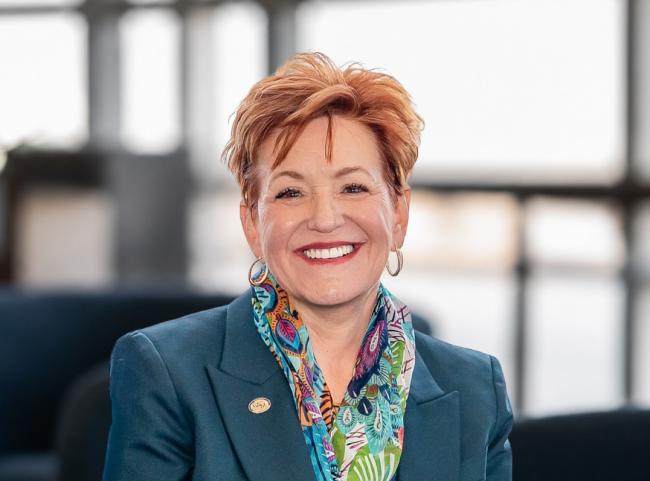
Sheryl Barden, CAM, is CEO of Aviation Personnel International, the longest-running recruiting and HR consulting firm dedicated to business aviation. A recognized thought leader on workforce and leadership issues, she is an NBAA CAM Fellow, past member of NBAA’s board of directors and advisory council, and recipient of NBAA’s John P. “Jack” Doswell Award for lifetime achievement and service to business aviation.
See more by this author