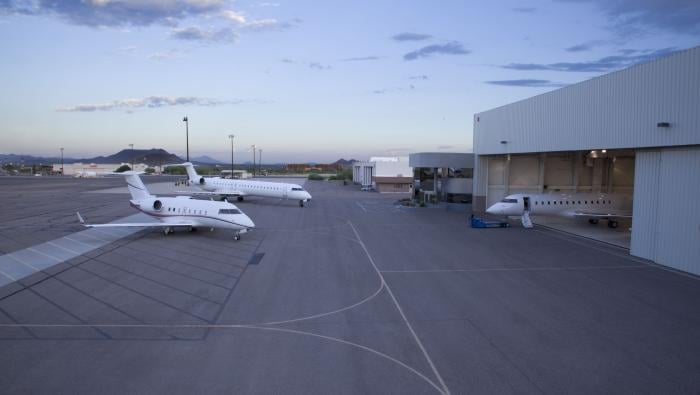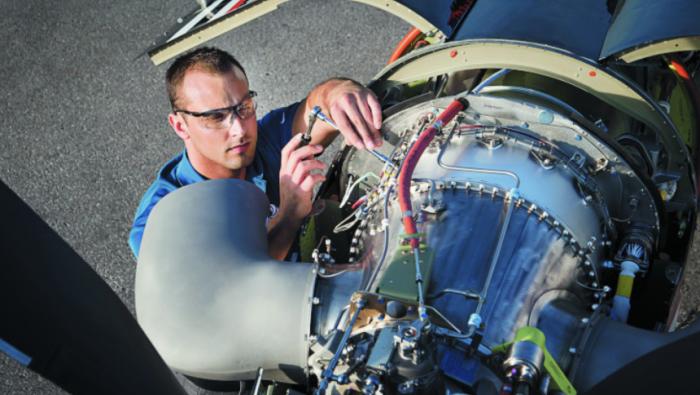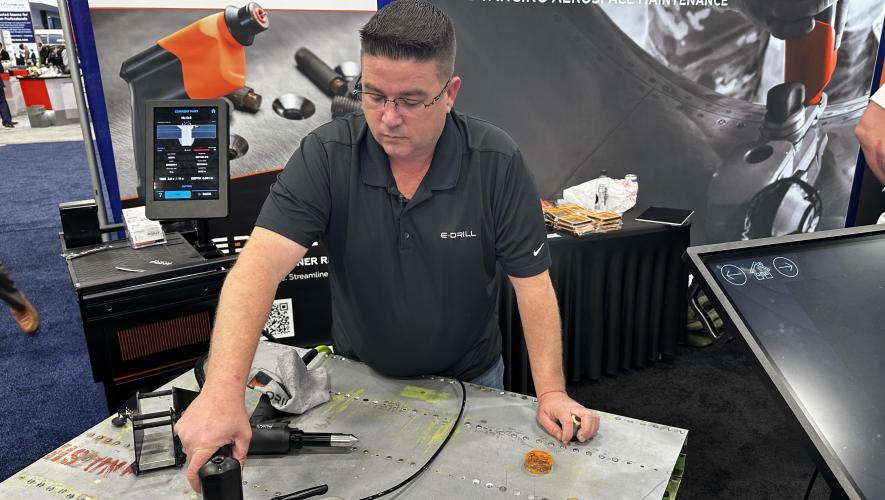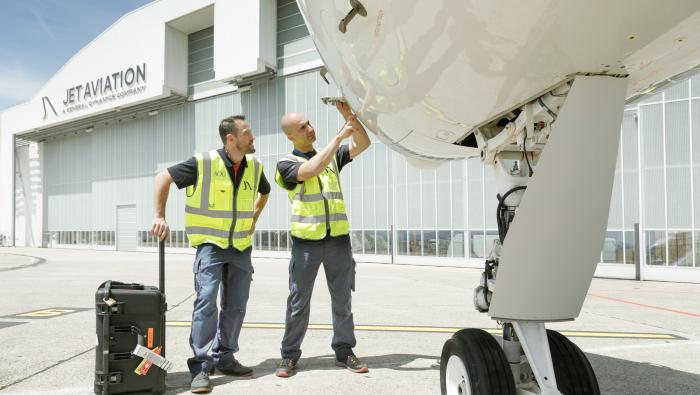
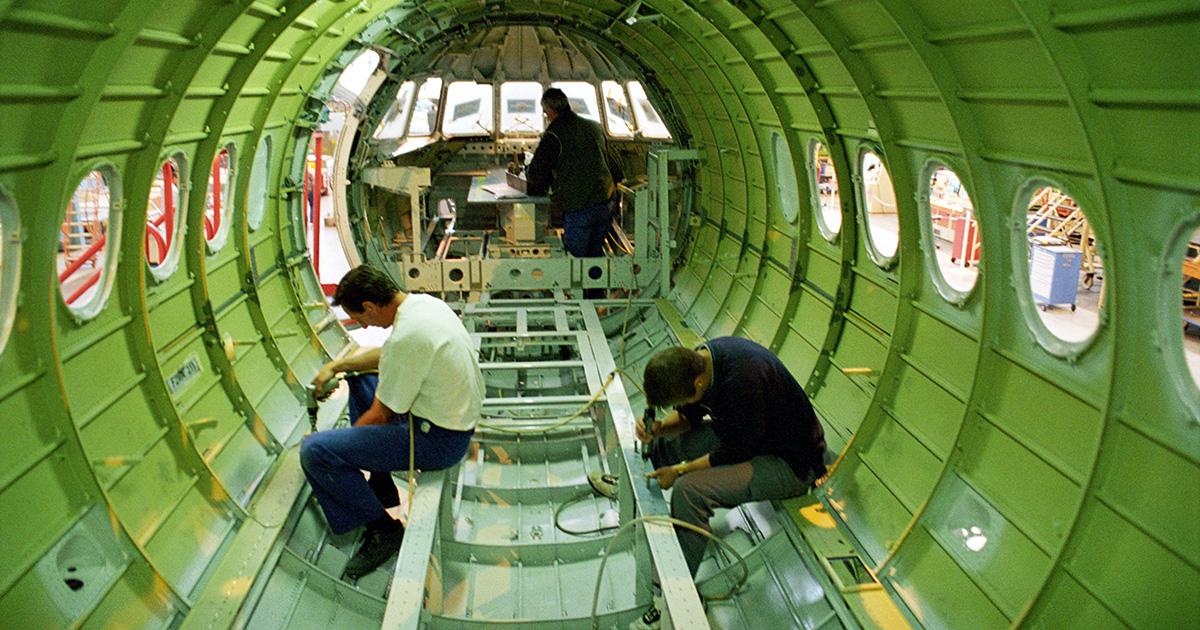

There is no doubt that there is a growing shortage of aircraft maintenance technicians (AMTs) worldwide, and it’s going to get worse. Not only are a significant number of AMTs entering retirement age, but their knowledge and experience are soon going to be lost forever. Artificial intelligence and robotic technology may help in some arenas, but they will never replace the hands-on work that only humans can perform.
There is a partial solution available, one that could free up a lot of time spent on maintenance and thus ease the shortage to some extent. The other solution is more radical: pay AMTs on par with pilots. Why does it make sense that a captain in a new long-range business jet receives upwards of $300,000 a year, while the director of maintenance, who is responsible for the entire fleet, might make $150,000 or, rarely, $200,000 a year? There is so much competition for mechanically oriented workers that the only way to bring more people into aviation is by paying them more and treating them better. But that’s another story.
Matt Thurber, editor-in-chief at AIN Media Group, has been flying since 1975 and writing about aviation since 1978 and now has the best job in the world, running editorial operations for Aviation International News, Business Jet Traveler, and FutureFlight.aero. In addition to working as an A&P mechanic on everything from Piper Cubs to turboprops, Matt taught flying at his father’s flight school in Plymouth, Mass., in the early 1980s, flew for an aircraft owner/pilot, and for two summer seasons hunted swordfish near the George’s Banks off the East Coast from a Piper Super Cub. An ATP certificated fixed-wing pilot and CFII and commercial helicopter pilot, Matt is type-rated in the Citation 500 and Gulfstream V/550. Based in the Pacific Northwest, Matt and his team cover the entire aviation scene including business aircraft, helicopters, avionics, safety, manufacturing, charter, fractionals, technology, air transport, advanced air mobility, defense, and other subjects of interest to AIN, BJT, and FutureFlight readers.

More In Maintenance and Modifications