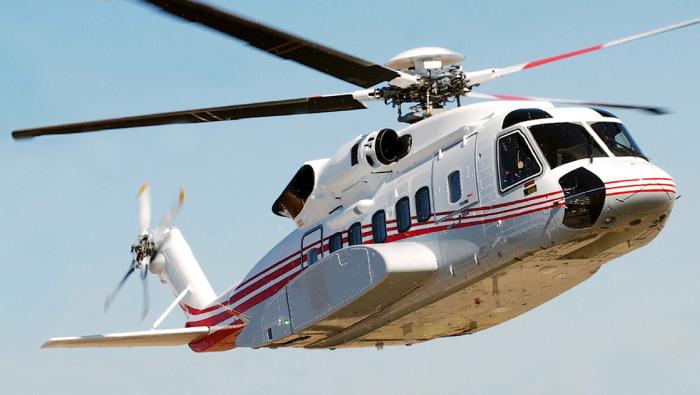
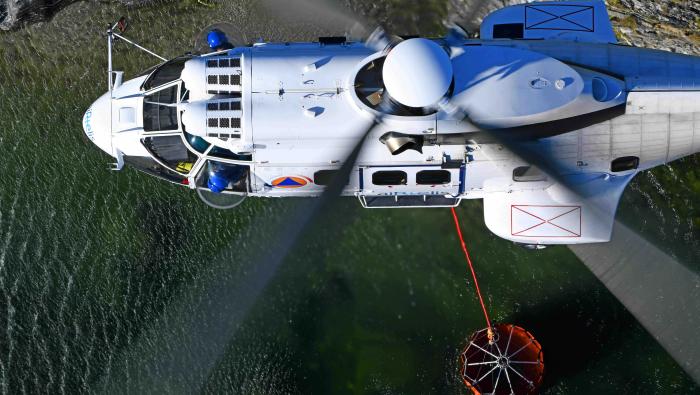
North Sea oil and gas producers could be facing a summer of extreme discontent should a voting majority of union members at CHC Scotia have their way.
An announced 96.8 percent of the company’s 350 unionized ground staff rejected CHC Scotia’s latest pay offer, which the union claimed amounted to a 3.5-percent raise, dramatically less than the annual pay boosts of approximately $26,000 apiece awarded over a two-year period to more than 200 CHC Scotia helicopter pilots represented by the British Airline Pilots Association (BALPA).
Airline-size salaries
The purpose of both union efforts was to bring the salaries of their respective memberships in line with the earnings of their counterparts in the Part 121 scheduled airline industry. Figures cited by BALPA when it won the raises for its pilots last fall showed that rotorcraft captains with 10 years of service had been earning almost 30 percent less than similarly experienced fixed-wing pilots ($76,800 a year vs $105,000 annually). Parent company CHC agreed to the pilot pay hikes but has declined to go along with proportionate pay increases for ground personnel.
More In Rotorcraft