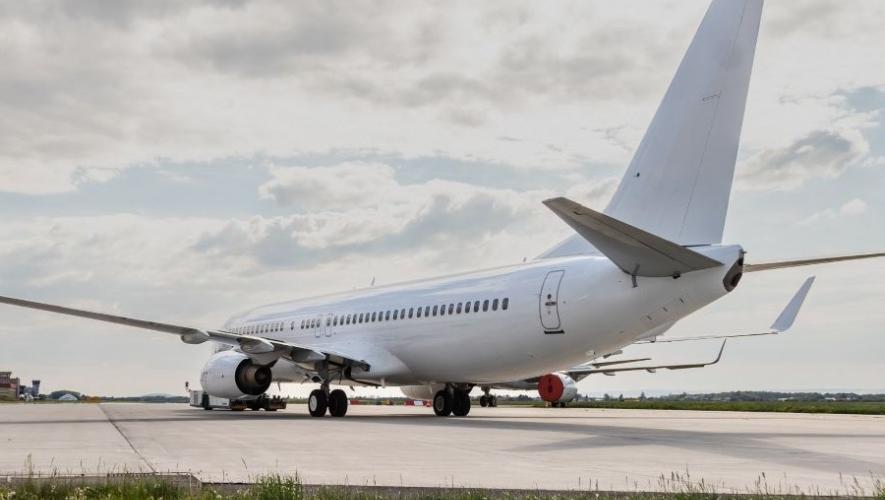


All the activity in the narrowbody segment planned for 2016 stands to make it one of the busiest years in recent memory for airliner makers, while airlines around the world look to reap all the expected economic benefits the new engine and airframe technology promises. With November’s certification of the Pratt & Whitney PW1100G-powered Airbus A320neo and Transport Canada's approval of the Bombardier CSeries on December 18, the Pratt geared turbofan, for example, gets its first chance to prove its double-digit fuel improvement claims in revenue service. Meanwhile, as Bombardier and Airbus execute first delivery of their single-aisle jets, Boeing and China’s Comac continue preparations for first flight of the 737 Max 8 and C919, respectively. Finally, by the middle of the year Airbus expects to deliver the first CFM Leap-1A-powered A320neo, while Embraer prepares for first flight of the new E190 E2, the Pratt & Whitney PW1900G-powered derivative of the E190 scheduled for certification in the first half of 2018.
While the culmination of several long campaigns this year certainly looks like progress, the path to reaching this point didn’t track as straight as some had hoped, and last year in many ways marked a defining moment for troubled programs such as the CSeries. Finally completing all its certification testing after more than two years of delays, the CSeries didn’t reach the proverbial finish line before receiving a much needed financial boost late last year from the provincial government in Quebec, which promised to inject $1 billion in capital in return for a 49.5-percent stake in the project.
Gregory Polek has spent his entire career in aviation journalism with AIN, starting as a proofreader and assistant to then-managing editor Mary Mahoney in 1995 after serving an internship with New Jersey Monthly magazine and completing his B.A. degree in English/Writing at New Jersey’s William Paterson College. By 1997 Polek accepted a position as an associate editor, covering the regional airline beat for Aviation International News in place of retiring industry veteran Don Anderson. The assignment took Polek across North America and Europe to profile regional airlines varying in size and mission from the likes of floatplane operators Kenmore Air and Chalk’s Ocean Airways to regional jet operators such as SkyWest and American Eagle. Today, in his dual role as Air Transport Editor and International Airshow Editor, Polek writes, edits, and manages AIN’s commercial aviation content while overseeing each of the company’s daily international air show publications in Paris, Farnborough, Singapore, and Dubai. Most recently Polek has assumed oversight of daily coverage of the Helicopter Association International’s annual Heli-Expo convention.

More In Aircraft