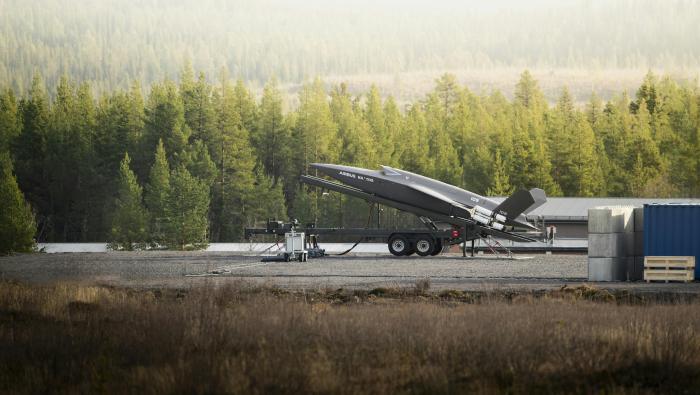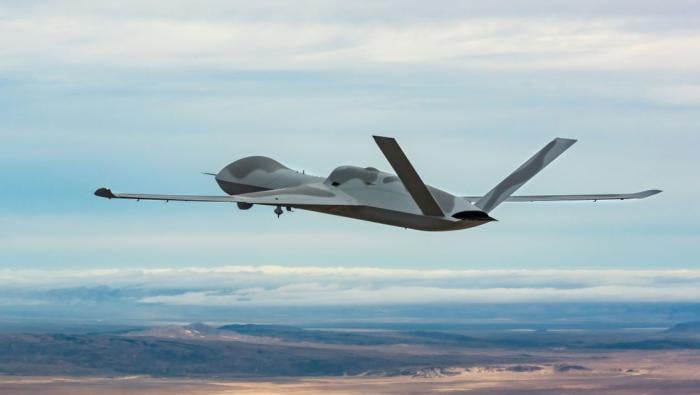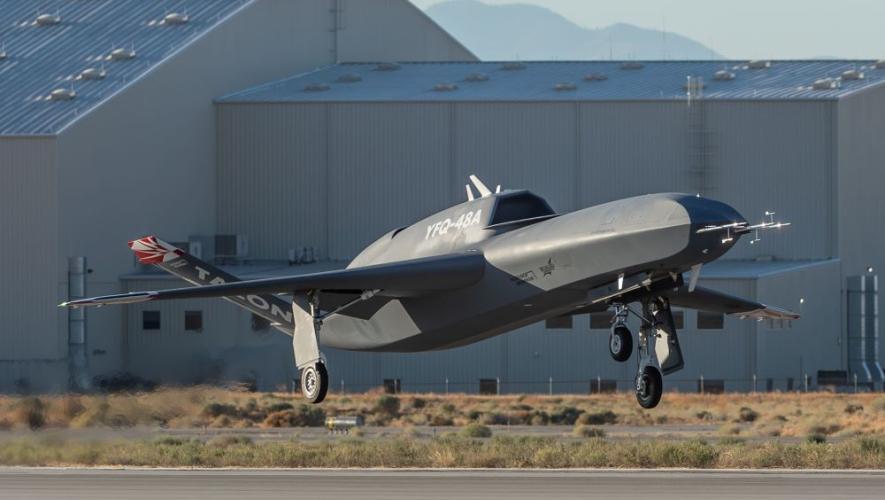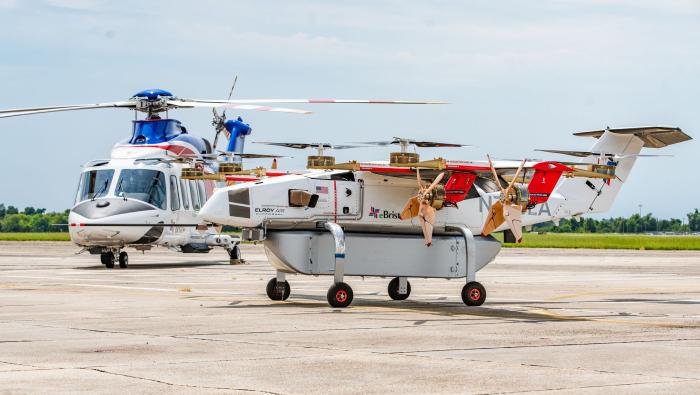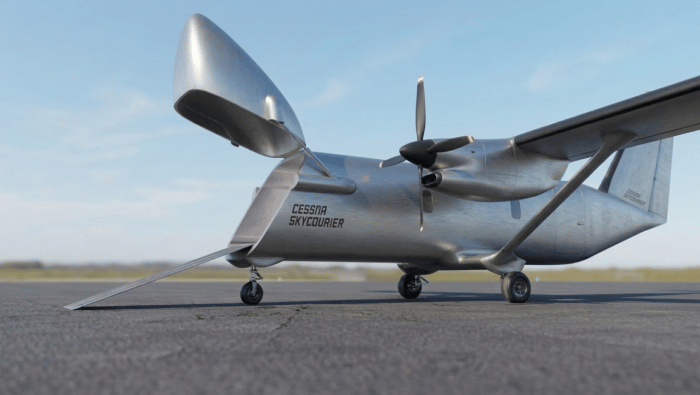

With the FAA now deep in its review of public comments on the agency’s long-anticipated proposal to allow routine beyond-visual-line-of-sight (BVLOS) operations in U.S. airspace, 2026 is poised to be a pivotal year for the drone industry and the aviation sector at large. Designed to enable scaled drone operations, the new rulemaking could be finalized by the end of the first quarter.
If approved, it could shape up to be the most consequential policy shift for drones in the U.S. since 2016, when the FAA implemented its first operating requirements for commercial uncrewed aircraft systems (UAS) weighing up to 55 pounds. That so-called “small UAS rule,” established in 14 CFR Part 107, enabled daylight-only flights within visual line of sight, with limited BVLOS operations permitted under waivers and exemptions. Under the FAA’s newly proposed rules, operators would no longer need waivers or exemptions to conduct routine BVLOS flights below 400 feet agl with UAS weighing up to 1,320 pounds.
In this article
More In Unmanned Aerial Vehicles