

Fighting a serious health condition like cancer is horrendous, but it gets even worse when the cancer patient can't travel to see the right doctor—a doctor who may not be across town but across the country. Rising to this great need, many private aviation individuals and corporate owners, lessees, pilots, and operators—flight partners—provide a free flight on their aircraft to those who face the physical, emotional, medical, or financial burden of traveling long distances for specialized medical care.
Multiple “qualified organizations” (i.e. charities) facilitate these partner flights. Often called “charitable organizations,” in the U.S. they must satisfy the criteria under Section 501(c)(3) of the Internal Revenue Code (IRC) to be a tax-exempt entity. These charities, which have separate program models, include the Corporate Angel Network (CAN), for cancer patients; Angel Flight, for medical and disaster relief patients; and Patient AirLift Services (PALs), for medical patients.
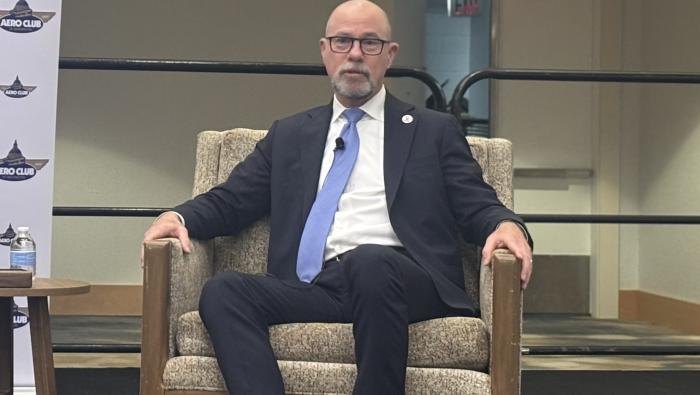
David G. Mayer is a member of the global Aviation Practice Group at Shackelford, McKinley & Norton in Dallas, which handles private aircraft matters, including regulatory compliance, tax planning, purchases, sales, leasing and financing, risk management, insurance, aircraft management and operations, hangar leasing, and related corporate work. Mayer frequently represents corporations and high- and ultra-high-net worth individuals and other aircraft owners, flight departments, lessees, borrowers, operators, sellers, purchasers, corporations and managers, as well as lessors and lenders. He can be contacted at [email protected].

More In Regulations and Government