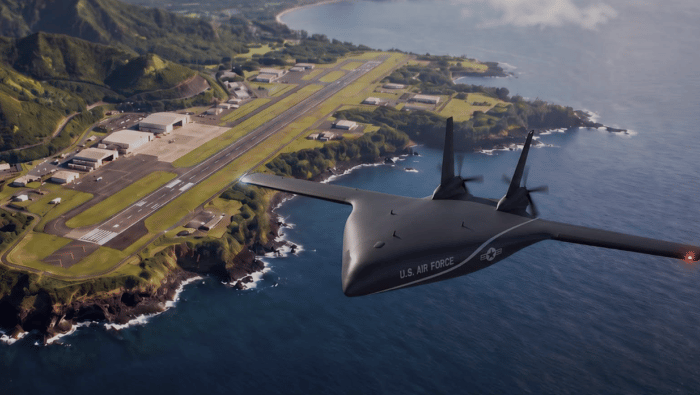

After exploring the benefits and application of laminar-flow aerodynamics with the Celera 500 experimental aircraft, Otto Aviation is embarking on one of the most challenging endeavors in the aviation industry: design, certification, and production of a clean-sheet business jet. The U.S. company insists its Phantom 3500 isn’t yet another light jet, promising to match the performance and comfort of existing midsize jets at light jet prices and operating costs.
Examples of clean-sheet jets coming to market are relatively rare, and the process is costly and time-consuming. The HondaJet took 12 years from first flight of the prototype to certification and reportedly cost billions to develop. The single-engine SF50 Cirrus Jet first flew in 2008 and achieved FAA certification in 2016, and this was a program run by an experienced original equipment manufacturer (OEM), although this was also its first turbine-powered airplane.
More In Aircraft