For visitors to various industry events during the past few years, FlightSafety International has been demonstrating examples of some of the new training technologies it is developing. But for a deeper dive into what the company’s developers are working on, a trip to the FlightSafety Simulation Systems factory in Broken Arrow, Oklahoma, revealed more about how aviation training is moving quickly into the future.
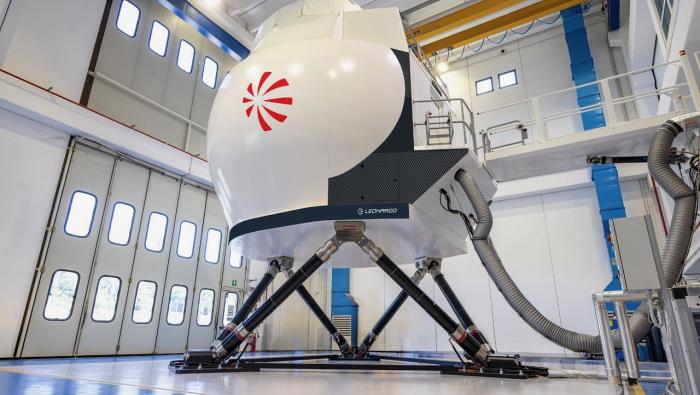
At FlightSafety’s Oklahoma factory, the company manufactures flight simulators and training devices for its far-flung network of learning centers and for customers that operate their own training facilities. One example of one of the deployed new training products is the use of virtual reality (VR) for Pratt & Whitney Canada PT6 engine maintenance at FlightSafety’s Wichita, Kansas, learning center. FlightSafety has also deployed advanced training using augmented and mixed reality (AR and MR) technology, primarily for government customers. The U.S. Navy’s Naval Aviation Training Next–Project Avenger, for example, seeks to reduce training times for new pilots. The program starts pilot trainees in MR trainers, where they can “fly” a simulated T-6B Texan II unit training device (UTD) using real power and flight controls while wearing a Varjo MR headset in preparation for flying the real airplane.
More In Training and Workforce