Researchers at Southern Methodist University (SMU) are developing an innovative approach that combines biometrics with machine learning techniques to reshape the future of flight training. The goal is to measure physical reactions of the pilot to provide—in real-time—a more objective and automated determination of performance to make flight training more personalized, effective, and efficient. Flight training programs have historically relied on subjective observations and post-flight analysis from an instructor to determine proficiency and mastery of a maneuver.
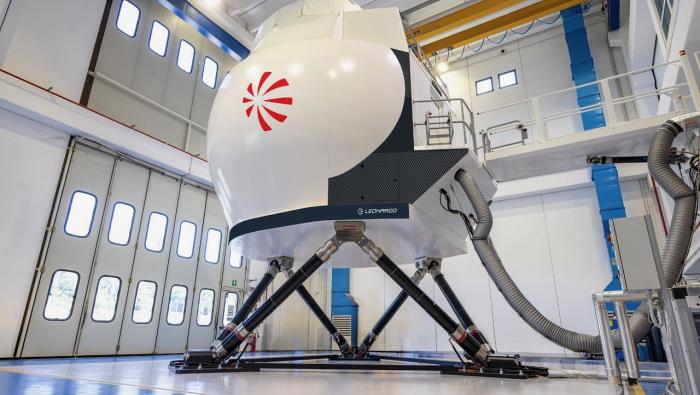
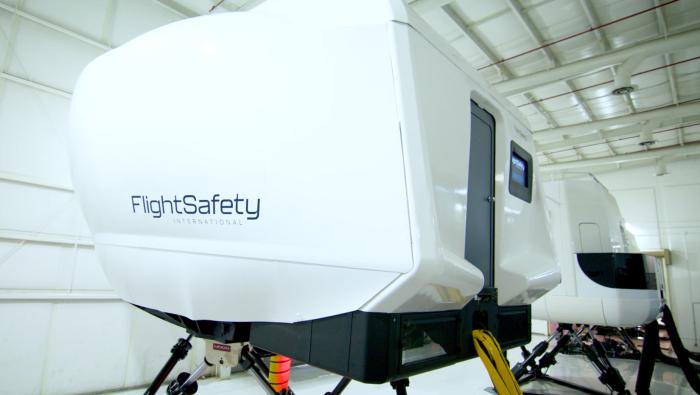
Teamed with simulator manufacturer and training provider CAE, researchers from SMU’s AT&T Center for Virtualization are entering the fourth year of a project to develop and test methods to measure situational awareness and cognitive load sensing using biometrics and machine learning. The goal is to capture how pilots react to various scenarios in a flight simulator.
More In Training and Workforce