With all this talk about whistleblowers these days, it seems like an appropriate time to review what protections are out there for aviation employees, who is covered, and how to ensure receipt of those protections in the event circumstances force you to become a whistleblower. I’ve known and read about a number of whistleblowers over the years and I can assure you, no one ever goes to work to become a whistleblower. It usually ends up being an awful experience, even when the whistleblower knows he or she is doing the right thing for aviation safety. Most start out as employees trying to raise safety concerns to their companies or agencies. When they see their complaints going nowhere, they then may decide to blow the whistle, through established processes, to Congress or the media.
Of course, the national headlines have been filled with the whistleblower—the one from the CIA. But aviation news has also had its own headlines lately, specifically related to the crashes of the Boeing 737 Max in Indonesia and Ethiopia. Crashes, in my experience, have a way of bringing whistleblowers forward. And that has held true for these recent major accidents. It seems that a number of whistleblowers from Boeing have come forward since the crashes, and their allegations are being investigated by, among others, the DOT Office of Inspector General and the Department of Justice.
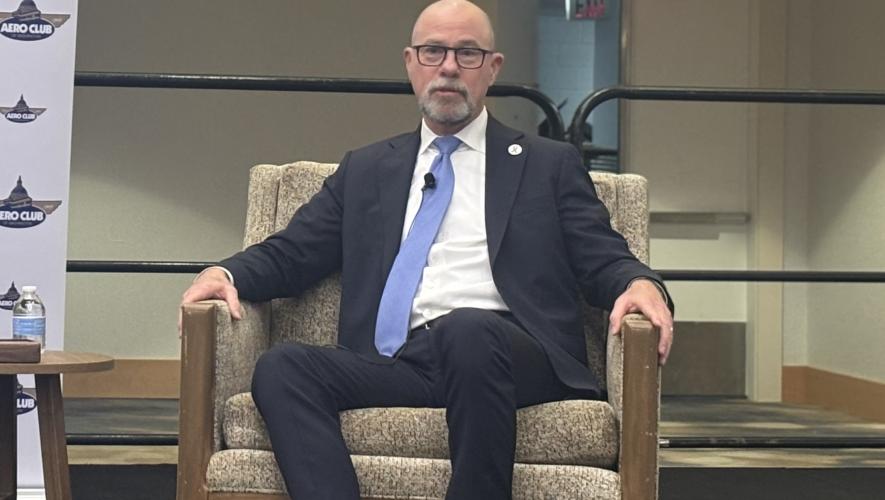
With more than 40 years experience in the aviation industry, The Honorable John Goglia, was the first and only Airframe and Powerplant mechanic to receive a presidential appointment to the National Transportation Safety Board (NTSB). He served from August 1995 to June 2004.
As a Board Member, Mr. Goglia distinguished himself in numerous areas of transportation safety. In particular, he was instrumental in raising awareness of airport safety issues, including the importance of airport crash fire and rescue operations and the dangers of wildlife at airports. He played a key role in focusing international attention on the increasing significance of aircraft maintenance in aviation accidents. He pressed, successfully, for greater integration of civilian and military safety information, becoming a featured speaker at national aviation symposiums attended by military leaders and major defense contractors. He is a leading proponent of airplane child safety seats.
Prior to becoming a Board Member, Mr. Goglia held numerous positions in the airline industry. He started as a mechanic for United Airlines and eventually joined Allegheny, which became USAir. Additionally, he was involved for more than 20 years as a union flight safety representative on accident investigation teams. There, he developed a safety program for his union, the International Association of Machinists, and was its representative for NTSB investigations. For twelve years, he operated his own aircraft service company.
Numerous prestigious groups have recognized Mr. Goglia’s contributions to aviation safety. Aviation Week & Space Technology awarded him a coveted 2004 Laurel for his outstanding service as an NTSB Board member. The Society of Automotive Engineers presented him with the Aerospace Chair Award for outstanding leadership in 2003 and the Marvin Whitlock Award for outstanding management accomplishment in 2002.

More In Regulations and Government