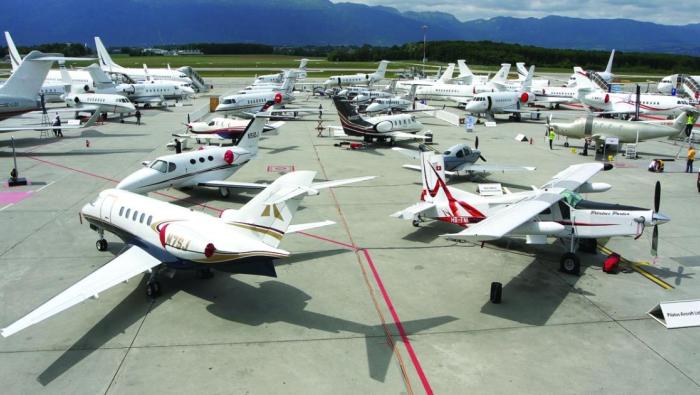


Business aviation does not rank high among the identifiable sources of greenhouse gas emitters. The General Aviation Manufacturers Association (GAMA) estimates that business aviation is responsible for about 2 percent of civil aviation’s CO2 emissions, which are themselves just 2 percent of worldwide human-induced emissions. Doing the math, that implies that business aviation is responsible for .04 percent of the global total, which is just a drop in the bucket.
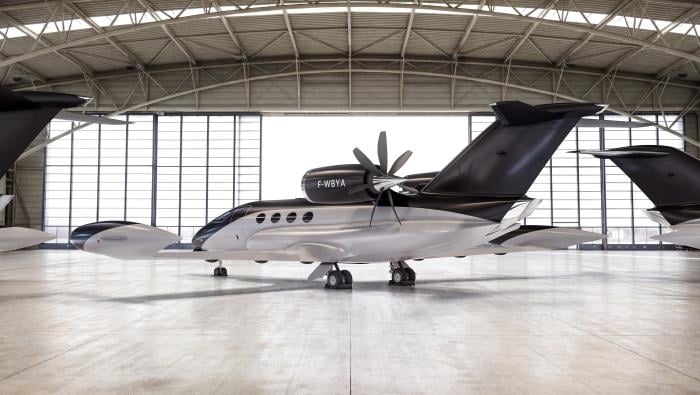
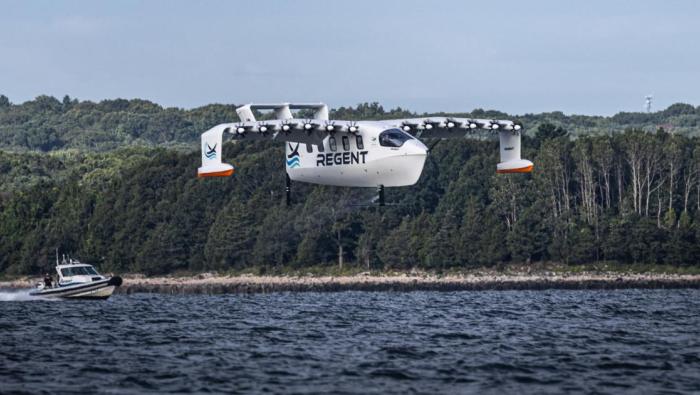
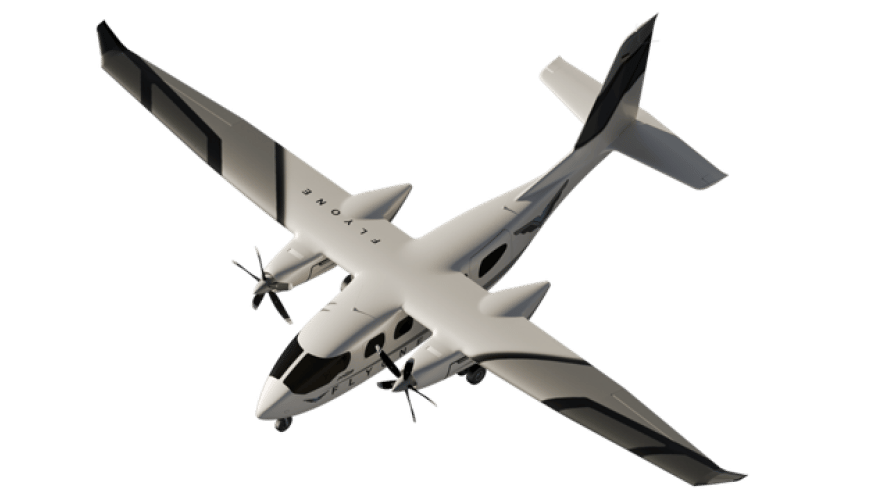
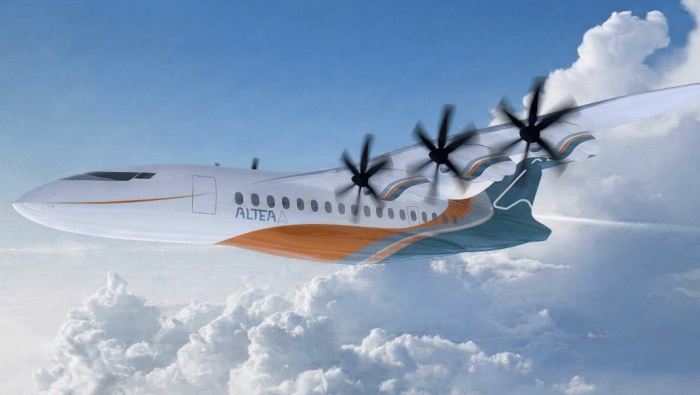
Newer, more fuel-efficient engines, lighter-weight airframe materials like carbon fibers, electronic cockpits, fly-by-wire flight controls, more direct flight routings, and procedures, and the wider use of various types of biofuels all bring the promise of greener and greener skies ahead. On today’s and the near-term horizon, experimentation with various types of hybrid and electric propulsion systems is advancing at a remarkable pace, and is soon to evolve into real-world capability demonstrations, initially without payload but soon enough carrying hot pizzas and aircraft closing documents in the same time-sensitive payloads. The real tests, of both the safety and practicality of a new world of intraurban air travel, remain shimmering lights primarily confined to the eyes of their creators, at least for the time being.

More In Sustainability and Environment