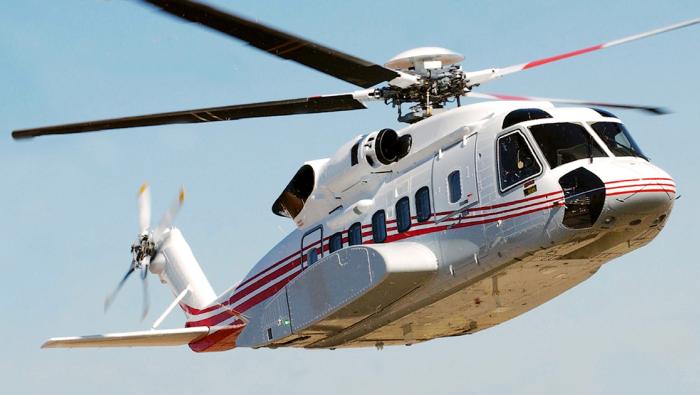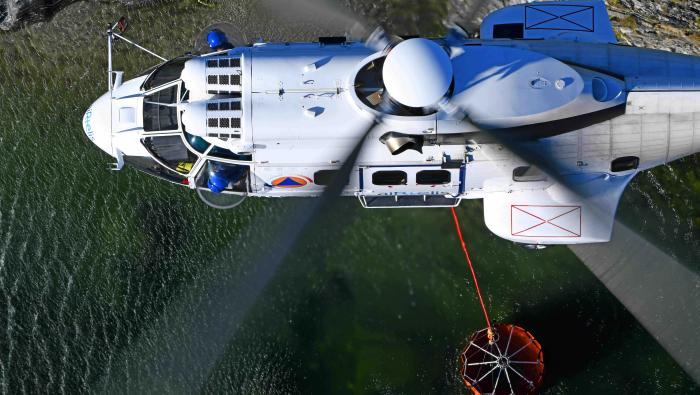

The NTSB is faulting the pilot for the fatal air tour crash of a Blue Hawaiian Helicopters Airbus EC130B4 that went down in heavy rain and limited visibility on the island of Molokai on Nov. 10, 2011. The crash killed pilot Nathan Cline and his four passengers. However, lawyer Ladd Sanger of the Texas firm of Slack & Davis, who represented the family of Canadian crash victim Stuart Robertson, also alleges that Blue Hawaiian’s pilot training was deficient and that Cline’s checkride of Molokai had been “pencil-whipped.” Blue Hawaiian settled with the Robertsons last March.
The NTSB final report on the accident was released on July 25 this year. It concluded that the accident’s probable cause was “the pilot’s failure to maintain clearance from mountainous terrain while operating in marginal weather conditions, which resulted in the impact of the horizontal stabilizer and lower forward portion of the Fenestron with ground and/or vegetation and led to the separation of the Fenestron and the pilot’s subsequent inability to maintain control. Contributing to the accident was the pilot’s decision to operate into an area surrounded by rising terrain, low and possibly descending cloud bases, rain showers and high wind.”
More In Rotorcraft