AIN Blog: FAA Needs To Cut Bird Strikes
When US Airways Flight 1549 splashed down in the Hudson River in January 2009, it made Capt. Sully Sullenberger an instant folk hero.


When US Airways Flight 1549 splashed down in the Hudson River in January 2009, it made Capt. Sully Sullenberger an instant folk hero and made a flock of Canada geese the miscreants. Outside the aviation community, wildlife strikes had gone mostly unrecognized until that A320 and its load of fare-paying passengers were left bobbing in the Hudson.
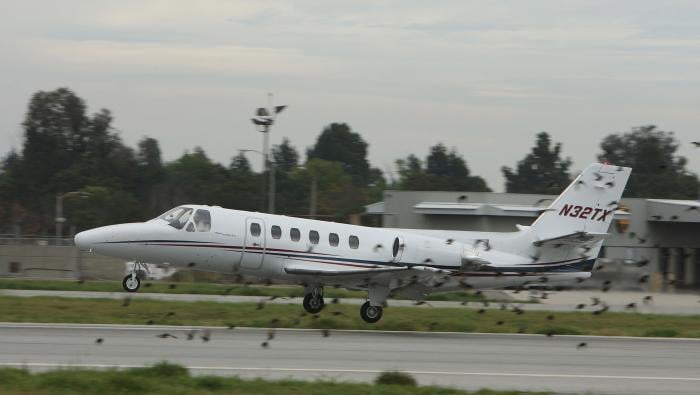
But, as a report by the Department of Transportation inspector general notes, wildlife is not a new threat to aviation safety. In the past two decades, wildlife strikes have increased steadily and dramatically, including one involving Air Force Two last April. Reported collisions between feathered birds and man-made birds went from 1,770 in 1990 to 9,840 reported in 2011, a five-fold increase.
More In Safety