When the French BEA released a partial cockpit voice recorder (CVR) transcript of the Air France Flight 447 accident in late May, pundits wasted no time unleashing pointed analysis implicating the A330’s crew. The Airbus crashed into the South Atlantic, killing all 228 people aboard. Indeed, the edited details of the BEA seemed to offer few other possibilities. To some experts, however, the report actually raised more questions than it answered, leaving many to wonder about the BEA’s motivation in choosing the items it publicized.
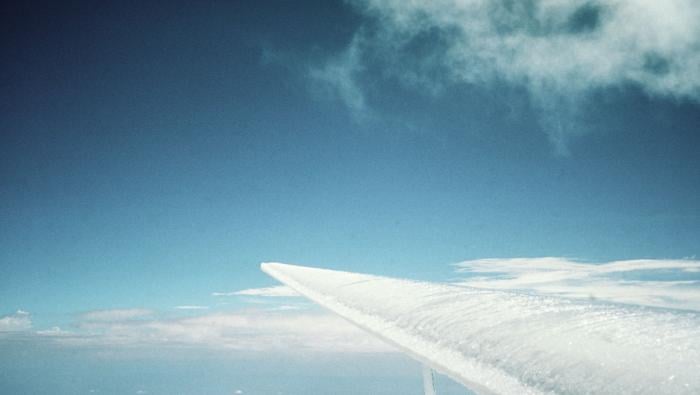
Certainly the most telling element of the report was data indicating that not only did the pilot flying lose control of the airplane shortly after the autopilot and autothrottles disconnected on their own at 35,000 feet, but that while the aircraft was falling at some 11,000 fpm, he kept the sidestick pulled back, holding the 452,000-pound aircraft in a full stall. Air France received a series of automated messages before the crash that suggest the aircraft began shedding automation due to the loss of valid airspeed indications related to on-going icing issues with the Airbus’s Thales-made pitot tubes.
More In Safety