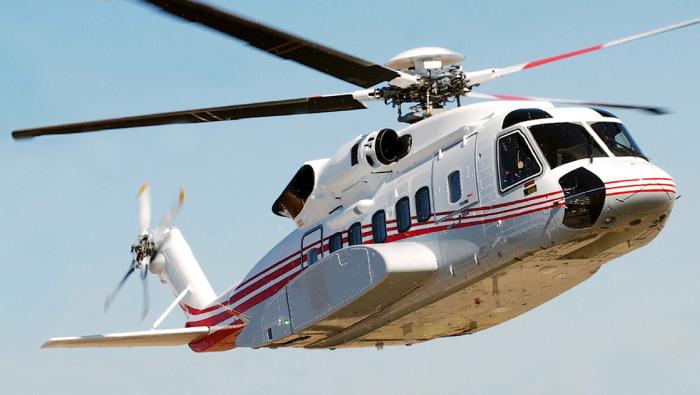
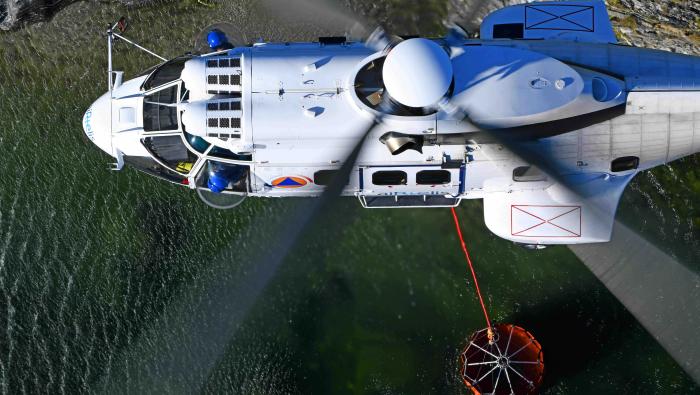
The pair of “low-observable” Sikorsky Black Hawks used in the raid by U.S. forces against terrorist Osama bin Laden’s Pakistani compound May 2 were kitted with a variety of stealth and radar-defeating features that had been in development since the 1970s, and maybe longer. The helicopters came to light after one had to be left behind and intentionally detonated after apparently clipping a compound wall and making a hard landing. While the explosion destroyed most of the helicopter, parts of the empennage, stabilizer, tail rotor and tail-rotor hub survived and were extensively photographed by the international news media, giving rise to initial speculation that the U.S. used a new stealth helicopter. However, in the weeks that followed, experts, including those who spoke with AIN, dismissed the idea that a totally new helicopter had been used. Serial numbers on parts at the scene indicate that the destroyed helicopter was an MH-60 built in 2009.
The U.S. developed stealth helicopter technology concurrent with the F-117A stealth fighter and the B-2 stealth bomber and much of it came into public view on the two prototype Boeing/Sikorsky RAH-66 Comanche gunships built in the 1990s. While $14 billion was spent on that program before it was canceled in 2004, the Comanche did incorporate the familiar faceted radar-minimizing body cladding of the F-117, along with a fenestron tailrotor, a T-tail vertical stabilizer and quiet main-rotor technology. Kits with some of that technology, along with radar-resistant coatings and a modified vertical fin, were believed applied to the “low observables” by at least two third-party contractors, most likely Boeing and Lockheed Martin. The Army’s fascination with “low observables” began during the Vietnam War and was rekindled by the AH-6 Little Bird program, a Boeing-built MD500, in the 1980s. Before that the CIA had used a specially modified 500 dubbed “The Quiet One” to conduct electronic surveillance in North Vietnam.
More In Rotorcraft