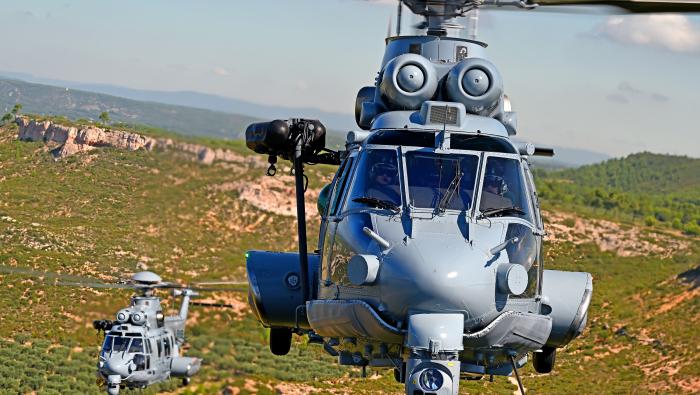
A heavy unmanned helicopter would be invaluable for operations at highly dangerous sites, such as the crippled Fukushima Daiichi nuclear power plant, providing another avenue to address the problem with a greater measure of safety. Technology for pilotless rotorcraft is already in place but so far has been applied only to micro drones and relatively light rotorcraft.
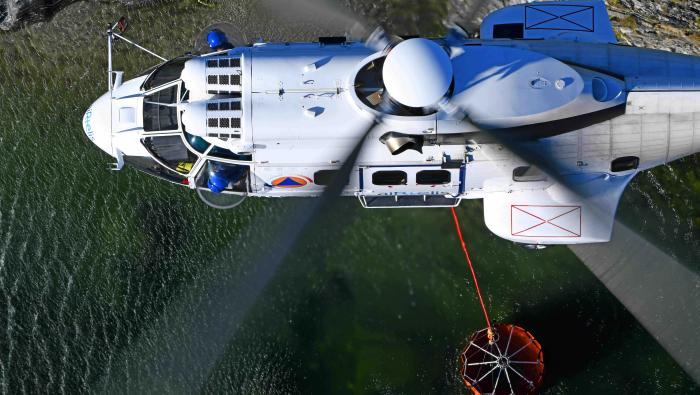
The escape of the nuclear genie at Fukushima has demonstrated the value of unmanned heavy helicopters, which could have dropped water from lower altitudes than the piloted Boeing CH-47 Chinooks Japanese authorities sent to the site. The Japanese authorities applied lessons learned from Chernobyl in 1986, when helicopter pilots flying Mi-26s over the breached nuclear plant took great risks and dozens of them died, and required pilots to stay relatively high (reportedly slightly below 300 feet) to limit their exposure to radiation at Fukushima. As a result, much of the water intended to cool a reactor and refill a spent fuel rod pool failed to reach its targets. An unmanned aircraft, hovering closer to its objective, would have provided pinpoint precision.
More In Rotorcraft