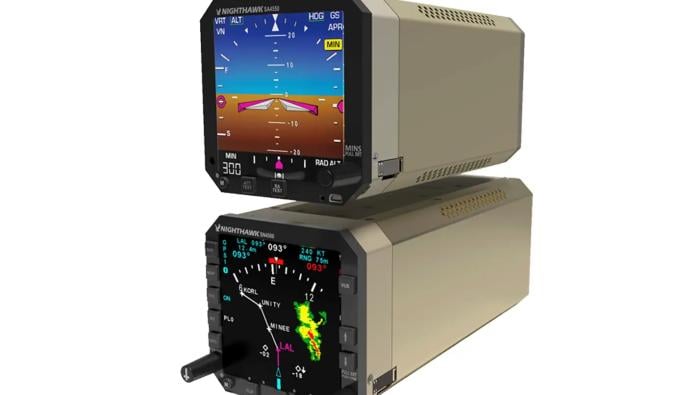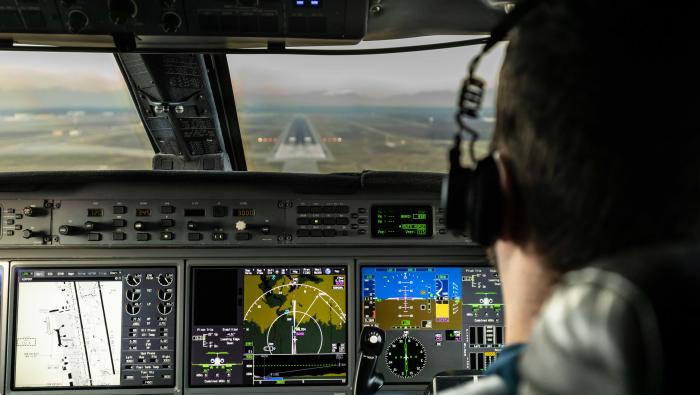
About 50 hours of test flying remains before Rockwell Collins will submit the certification paperwork to the FAA for its Pro Line Fusion integrated cockpit, which will serve as the baseline avionics system for Gulfstream’s G250 and Bombardier’s Global Express XRS and Global 5000 when approvals are completed next year.
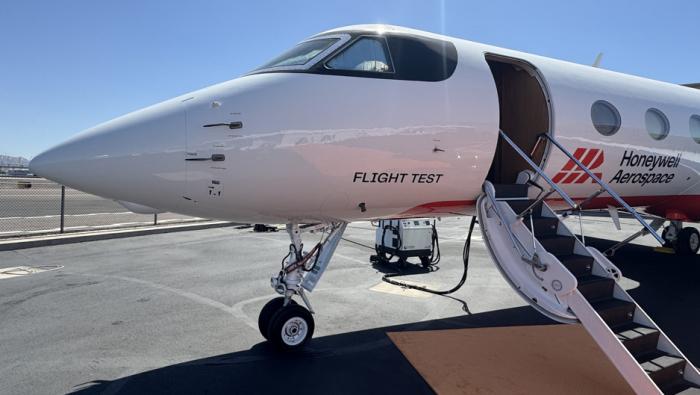
Collins test pilots traveled to Alaska this winter to put the synthetic-vision portion of the Pro Line Fusion cockpit through its paces in one of the most demanding flight environments in the world. Flight-test crews braved the cold, darkness and winter turbulence, flying dozens of low-visibility approaches into Alaska airports in the company’s Challenger 601 test bed. The point of the exercise was to evaluate the SVS’s capabilities in areas of challenging terrain before bringing the technology to the cockpits of the Global Express and G250.
Greg Irmen, vice president and general manager for commercial systems at Rockwell Collins, said Pro Line Fusion has logged about 350 hours aloft as part of a test regimen that the avionics maker expects to complete by year-end. Three airplanes have joined the certification program, with the Collins Challenger 601 logging the bulk of hours aloft (about 200) since the shakeout flights started last fall. “We’re getting down to the crunch phase now as we look to wrap up certification test flying,” he said.
More In Avionics