The airline industry did not embrace supersonic speed the first time around in the 1970s, and today, mired in a recession and struggling to cope with reduced passenger demand for cheap, old-fashioned travel at Mach 0.80, mere survival is consuming all its resources.
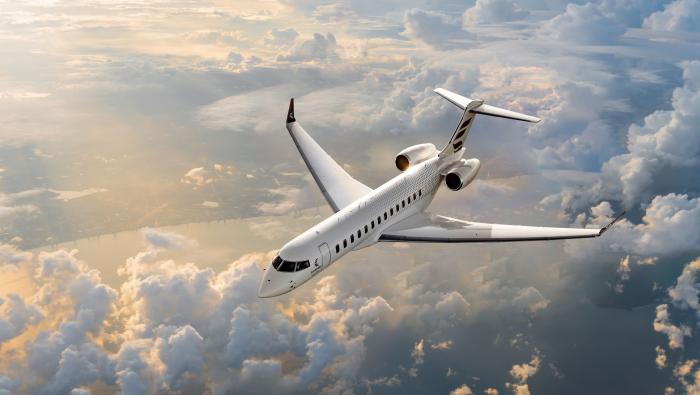
There’s certainly no passion for contemplating a successor to Concorde, the Anglo-French supersonic transport (SST) that British Airways and Air France retired in 2003. With those airlines’ 13 surviving Concordes consigned to museums or other static roles, business aviation is taking the reins to reintroduce supersonic passenger travel on a simultaneously smaller and larger scale. Smaller, in that the cabin will seat just a dozen or so people rather than Concorde’s 100; and larger in that Aerion, the more visible of the two teams penning an SSBJ (the other is SAI with its QSST), sees a market for 300 SSBJs (as defined by the $80 million airplane Aerion proposes) in 10 years and a total fleet of 500 in 15 years. “First to market has a clear advantage,” asserted Aerion CEO Brian Barents.
More In Aircraft