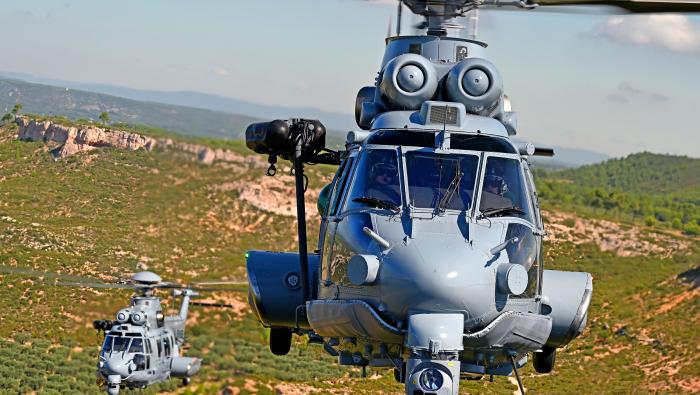
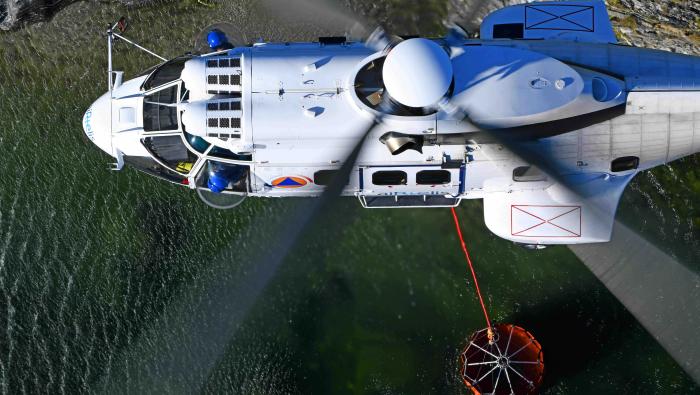
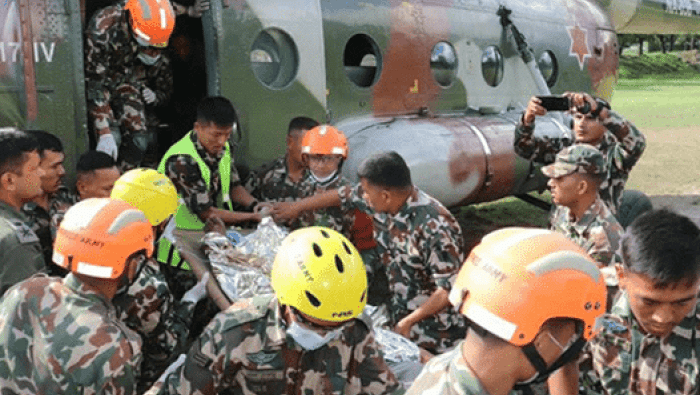
Helicopters again played a critical role in providing safe evacuations and critical rescues before and after twin hurricanes that pounded the U.S. Gulf Coast between September 1 and September 13. But unlike when Hurricane Katrina laid waste to New Orleans and parts of coastal Mississippi and Alabama in 2005, this time authorities were ready, with detailed plans in place for Gustav and Ike. However, the back-to-back storms did severely stress area helicopter resources.
While military helicopters again took the lead in post-storm rescues, civil EMS helicopters handled medical evacuations and repatriations, and that task was well coordinated across agencies from various levels of government, according to those familiar with the situation. Three main structures governed EMS helicopter response to the storms: local hospital and ambulance plans, state evacuation and disaster response plans, and the federal hospital assistance plan. As part of the last plan, the Federal Emergency Management Agency (FEMA) activated the Federal Ambulance Contract. Englewood, Colo.-based Air Methods is currently the EMS helicopter provider under that contract. Other regional helicopter EMS companies responded under local, regional and state plans.
More In Rotorcraft