It has been just over two years since four hijacked jetliners stopped the world in its tracks on what was for residents of the New York City and Washington metro areas the beginning of a sparkling late summer day. For 2,801 workers in Manhattan’s World Trade Center and aboard the two jetliners that struck the Twin Towers, the 182 workers, passengers and aircrew who would die in the Pentagon attack, and the 44 passengers who died in a Pennsylvania farm field where their battle for control of their hijacked jetliner ended, this sun-drenched morning would be their last.
Like a huge stone dropped into a calm pond, the impact of this atrocity rippled out to encircle the world for months and years to come. The pain will probably never go away, not as long as there are people to remember.
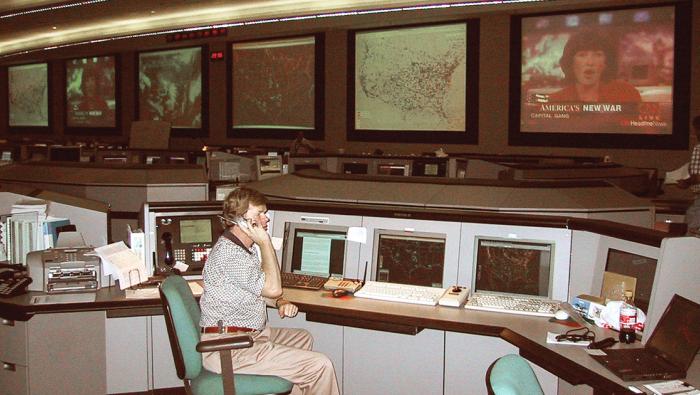
For those in aviation, it was a day of particular horror as familiar objects of beauty and grace, of utility and wonder, were turned into weapons of mass murder. Overriding these emotions were cool, clear thoughts of aviation’s responsibility, some might even say complicity, in the disasters. Fortunately, cool-headed professionals ruled the day.
More In Security