Just when you think there isn’t another lesson to be learned from the Boeing 737 Max crashes in Indonesia and Ethiopia, along comes a trove of email and text messages from Boeing employees involved in the certification of the Boeing 737 Max that just leave me scratching my head. The messages were handed over to Congressional investigators at the beginning of the year and include over 100 pages of internal documents; most are messages between Boeing employees; but some are between Boeing employees and inspectors at the Federal Aviation Administration. The messages are all archived here if you want to read them for yourselves. These employees were lucky in that their names have all been deleted although some of their job titles have not.
The messages raise many questions—some about the safety culture at Boeing, the pressure to save money on airline pilot training at almost all costs—but I’m not going to write about that here. What the emails and texts also reveal is a sophomoric humor that may momentarily relieve stress or make you feel clever but do not reflect highly on you or your company when published as headlines in, say, The New York Times or The Washington Post. Or pick your favorite news media since pretty much everyone used lines from these messages in headlines about Boeing.
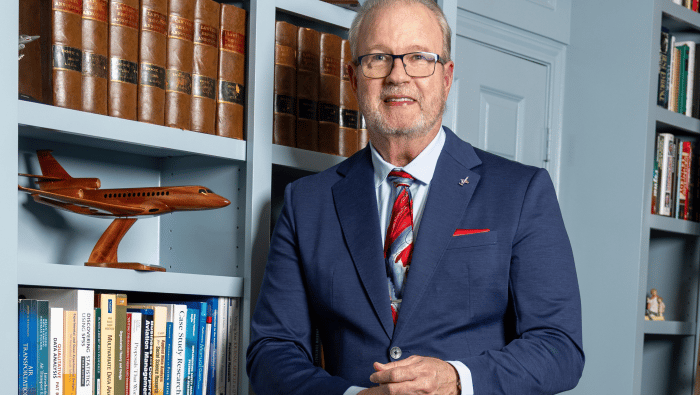
With more than 40 years experience in the aviation industry, The Honorable John Goglia, was the first and only Airframe and Powerplant mechanic to receive a presidential appointment to the National Transportation Safety Board (NTSB). He served from August 1995 to June 2004.
As a Board Member, Mr. Goglia distinguished himself in numerous areas of transportation safety. In particular, he was instrumental in raising awareness of airport safety issues, including the importance of airport crash fire and rescue operations and the dangers of wildlife at airports. He played a key role in focusing international attention on the increasing significance of aircraft maintenance in aviation accidents. He pressed, successfully, for greater integration of civilian and military safety information, becoming a featured speaker at national aviation symposiums attended by military leaders and major defense contractors. He is a leading proponent of airplane child safety seats.
Prior to becoming a Board Member, Mr. Goglia held numerous positions in the airline industry. He started as a mechanic for United Airlines and eventually joined Allegheny, which became USAir. Additionally, he was involved for more than 20 years as a union flight safety representative on accident investigation teams. There, he developed a safety program for his union, the International Association of Machinists, and was its representative for NTSB investigations. For twelve years, he operated his own aircraft service company.
Numerous prestigious groups have recognized Mr. Goglia’s contributions to aviation safety. Aviation Week & Space Technology awarded him a coveted 2004 Laurel for his outstanding service as an NTSB Board member. The Society of Automotive Engineers presented him with the Aerospace Chair Award for outstanding leadership in 2003 and the Marvin Whitlock Award for outstanding management accomplishment in 2002.

More In Training and Workforce