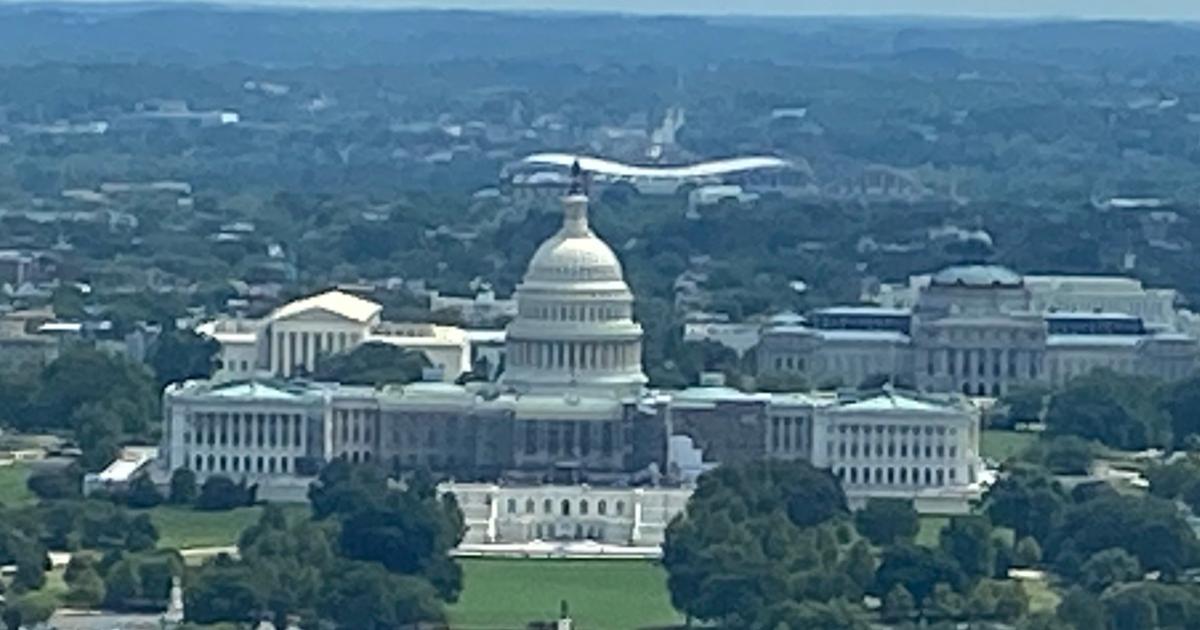
House and Senate leaders struck an agreement on key provisions of a comprehensive safety bill that would require ADS-B In and address a host of other concerns raised in the aftermath of the Jan. 29, 2025 midair collision near Ronald Reagan Washington National Airport (KDCA).
However, while key legislators ironed out a framework on the civil aviation safety side of the bill, military reform provisions must still receive sign-off from the House and Senate Armed Services Committees. The agreement announced on Tuesday represents a compromise between the House’s Alert Act (H.R.7613) approved in March and the Senate’s Rotor Act (S.2503), which passed in December.
Both bills were designed to address NTSB recommendations stemming from the collision of a PSA Airlines Bombardier CRJ700 and U.S. Army Black Hawk. The Senate bill was narrower in scope but more prescriptive surrounding ADS-B In mandates for civil and military aircraft. The House bill was broader, touching on all 50 NTSB recommendations. While both advance collision avoidance mandates, their approaches differ, with the House version providing more flexibility.
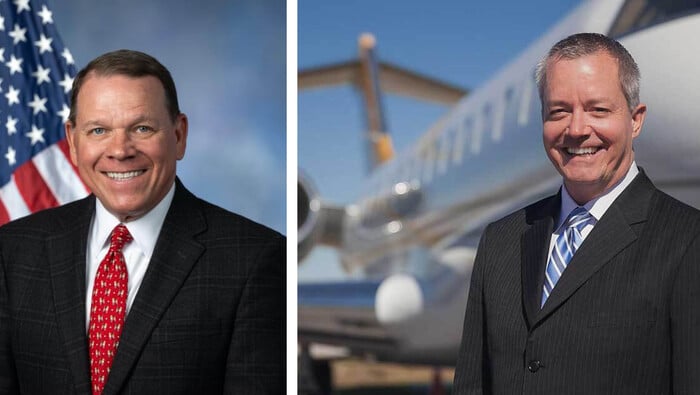
Lawmakers held a press conference to announce the agreement, with Senate leaders saying it included the ADS-B In requirement first proposed by the Senate. “Under this agreement, all aircraft required to broadcast their location via ADS-B Out will now be mandated to receive those same signals through ADS-B In,” Senate Commerce Committee Chairman Ted Cruz (R-Texas) said. “Although a few details are still being worked out with the House and Senate Armed Services Committees, it is critical that Congress pass comprehensive safety legislation by the end of the 119th Congress, and I am confident we will.”
Sen. Maria Cantwell (D-Washington), the ranking member on the Commerce Committee who is in line to become chair when the next Congress convenes, warned that the work is not complete yet, saying the lawmakers would coordinate with Armed Services Committee members, military partners, and the FAA “to make sure this gets done...We need a comprehensive bill that holds everybody to the same standards. We need the flying public to know their safety comes first—always first—and we need the standards that meet that.”
In the House, Transportation and Infrastructure (T&I) Committee Chairman Sam Graves (R-Missouri) also said he was happy that they reached an agreement in principle on the civil components. “We are very close to a final agreement on the entire bill,” he said.
Rep. Rick Larsen (D-Washington) credited the friends and families of the victims for working to get the bill done, saying the agreement was “due in no small part to their efforts.”
More In Regulations and Government