Security, environmental, health, and cyber-attack threats to air transport have intensified this year and are set to get worse in 2027, according to risk management specialist International SOS. Today, the group released its 11th annual “Risk Outlook” report in which it argues that a convergence of risks has raised the stakes for companies to the extent that responding to them has risen from “an operational requirement to a strategic imperative.”
International SOS analysts said conflicts in the Middle East, Ukraine and parts of Africa, such as Sudan and Ethiopia, can be expected to pose ongoing threats to air travel due to “weakening international organizations and geopolitical rivalries.” At the same time, the report foresees escalation of environmental disruption—in part due to the Super El Niño weather pattern—resulting in extreme disruption building on the earthquakes, floods, and wildfires that affected multiple regions in 2026.
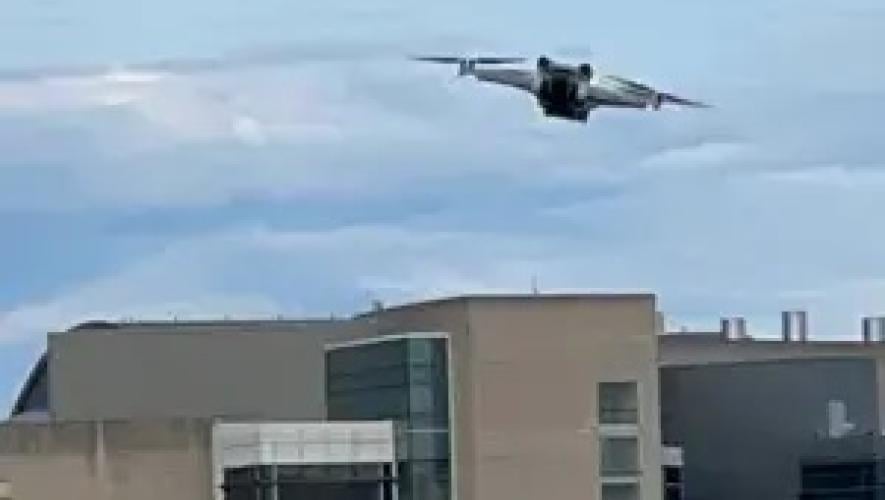
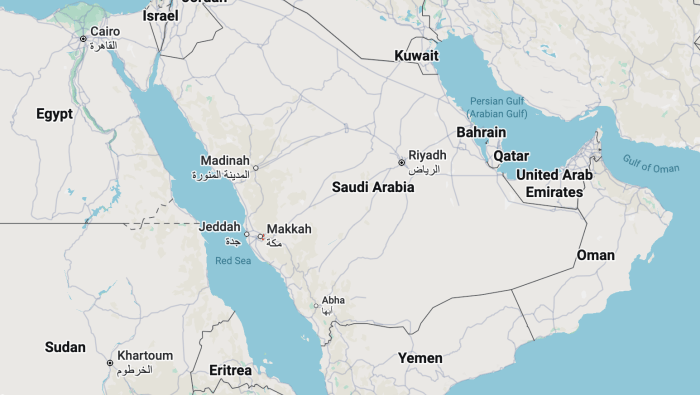
Aviation faces a more specific spike in threats from the increased use of drones in asymmetric warfare being waged by states such as Russia and Iran. This year, airports in multiple Eastern European states have been targeted this way, as have air navigation radars in Colombia. And aviation infrastructure in Saudi Arabia, the UAE, Qatar, Bahrain, Oman and Kuwait also remains under the same risk due to the ongoing standoff between the U.S., Israel, and Iran.
In preparing the company’s latest risk outlook, International SOS interviewed senior security leaders across multiple industries. A common conclusion from their responses is that companies can no longer manage threats on a case-by-case basis.
“Risks are now interconnected, and so the solutions and mitigations also need to be integrated,” said Cvete Konseska, the group’s global security director for intelligence and analysis. “But some companies think they can still deal with these in isolation even though the crises on the ground are all mixed together.”
According to International SOS, changes to the risk landscape this year will mean that aircraft operators have to brace for more serious and widespread risk in 2027. “There will be tangible risk that will impact your assets and your people everywhere, even in traditionally low-risk environments,” Konseska explained. “In the early phases of the Iran war, there was very quick impact on Gulf countries that had been seen as safe.”
International SOS was involved in evacuating large numbers of people from Gulf states. As of mid-November, its advisories for the region called for travel to the region to be limited to “critical” business trips, as long as detailed security precautions are taken.
Meanwhile, new research by the group’s MedAire subsidiary shows a 46% increase in clear-air turbulence during flights this year. These have resulted in significant injuries to passengers and crew, as well as costly diversions.
“This raises questions about what plans aircraft operators have in place to protect people from turbulence and then manage events when they have to land [at unplanned locations],” said International SOS regional medical director Dr Kathrine O’Reilly.
The group is urging the companies it supports to prioritize planning and their ability to anticipate changing circumstances. “The biggest value is to buy more time to respond to crises by extending the window for decision-making,” Konseska explained. “That can only be done with the right foresight, which is easy to say and hard to do, but you can narrow the trajectory of risk. The process of planning is beneficial because practicing [threat response actions] creates muscle memory.”
According to the 2027 “Risk Outlook,” companies can no longer assume that established norms in terms of regions of the world seen as stable business environments will continue to the extent that globalization of operations can continue across most jurisdictions. “We are now seeing a lot of divergence, and it isn’t necessarily that [national] sovereignty doesn’t exist but it is being questioned, such as [Trump administration plans to annex] Greenland,” Konseska concluded. “So thinking about how these norms are changing is very important.”
More In Security