The Trump administration is upping its National Airspace System modernization funding request, seeking a further $30 billion to boost airport infrastructure in addition to improving the air traffic control (ATC) system, U.S. Transportation Secretary Sean Duffy told Aero Club of Washington members yesterday.
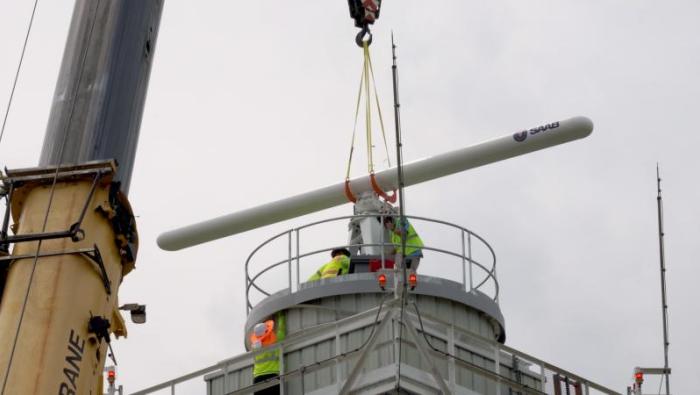
Originally, the administration requested about $30 billion and initially received $12.5 billion of that from Congress last year. Duffy and FAA officials have called the $12.5 billion a “down payment” toward their ambitions to rapidly implement a “brand new air traffic control system,” and are using this funding to upgrade communications and replace radios, radars, and other infrastructure.
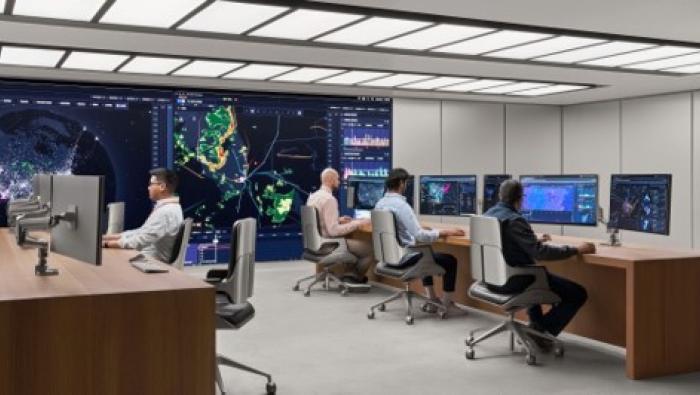
However, Duffy said officials are seeking $30 billion more on top of the $12.5 billion—pushing the total to more than $42 billion. About $10 billion of this funding would “defend the architecture of our telecom” and pay for a software common automation platform that would streamline air traffic management by breaking down silos between functions and segments. It also would build on technology advancements and have an open architecture for future developments.
He said another $10 billion would help beautify airport terminals. “I think we should have resources in the federal government to make sure we have airports in this country that are similar to the airports that you see if you travel around the world. The best, most beautiful airports in the world should be in America. So I want money to help airports up their game.”
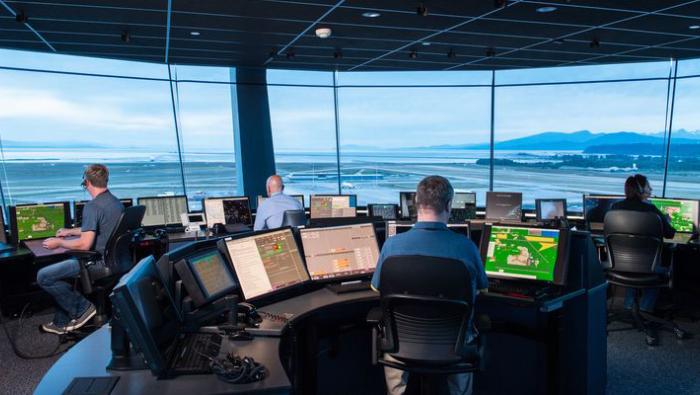
The final $10 billion would go toward upgrading air traffic control towers. “A lot of our towers were built in the ’60s and ’70s. For us to replace all our towers, we could do that on this [current] schedule in 300 years,” Duffy said, describing their aging conditions. “No one should have to work in this environment.”
Building towers one by one is “really expensive,” he said, noting that the government could produce savings by contracting for multiple towers at the same time.
He called these ambitions a “historic build” and said, “If we don’t do it now, when are we going to do it? This is, this is a moment in time where we can truly completely revolutionize the systems that we use, the efficiency that we drive, in the NAS. This can change the experience for so many Americans, and it's a big part of our economy.”
Duffy’s plans and funding request immediately drew industry support. The Modern Skies Coalition, covering a spectrum of ATC stakeholders, issued a statement encouraging congressional action on the request.
“The progress made over the past year has shown what is possible when we invest in modernizing the [National Airspace System], but there is more work to do,” it said. “The coalition urges Congress to provide additional resources needed to sustain this momentum and ensure the nation’s air traffic control system has the staffing, technology and infrastructure needed to meet future demands.”
NBAA interim COO Dan Hubbard added, “NBAA is united with the rest of the industry in supporting Secretary Duffy’s call for additional ATC modernization funding, a national imperative…Additional funding will help address system outages and transform the nation’s aviation infrastructure and achieve our goal of a safer, more efficient, more resilient aviation system.”
Jim Coon, senior v-p of government affairs and advocacy for the Aircraft Owners and Pilots Association, further stated, “While much progress has been made since last year’s $12.5 billion down payment, Monday’s disruptions across the Northeast, along with recent government reports and hearings, underscore the importance of continuing this effort.”