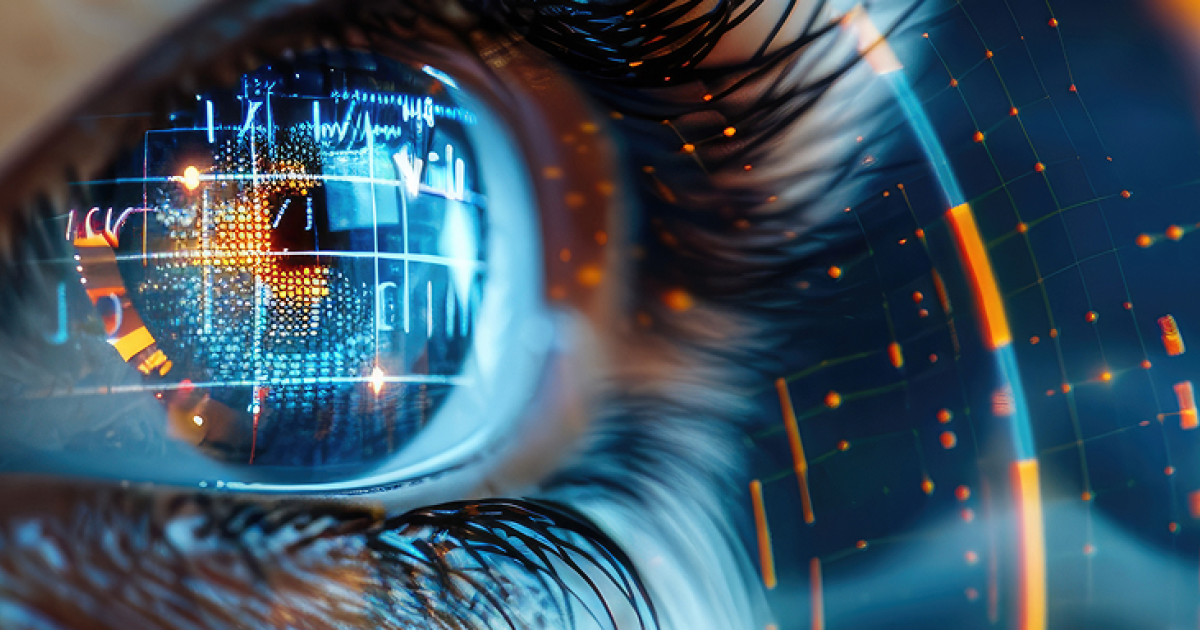
The explosion of applications for artificial intelligence (AI) technology hasn’t escaped the notice of aviation researchers and developers, and an interesting use case around cameras and eye tracking has surfaced. The idea is that a system that can see a pilot’s eyes and analyze the captured data can do everything from detecting and predicting cognitive overload (sometimes referred to as tunnel vision) to fatigue, motion sickness, and even diseases like Parkinson’s or brain damage. Two companies have recently unveiled research in this area, HarmonEyes and Honeywell Aerospace, and the following summarizes how this technology may find its way into a cockpit of the future.
Honeywell Tackles Sleepiness in the Flight Deck
Pilot fatigue is a long-standing safety concern, prompting innovation into how flight deck workload can be managed and how technology could provide safeguards. A 2013 study by the British Airline Pilots’ Association found that up to 56% of pilots have fallen asleep while on duty, and a further 29% of respondents admitted to having woken up to discover that their co-pilot was also asleep.
In this article
More In Safety