Helicopter traffic in the Gulf of Mexico has nearly doubled, to nearly 2,000 flights per day, since the Deepwater Horizon oil rig exploded on April 20. Most of the traffic increase is associated with surveillance, oil dispersant spraying and other activities related to containing and cleaning up the oil disaster, and temporary flight restrictions (TFR) governing the related airspace appear to be working well, according to an FAA spokesman.
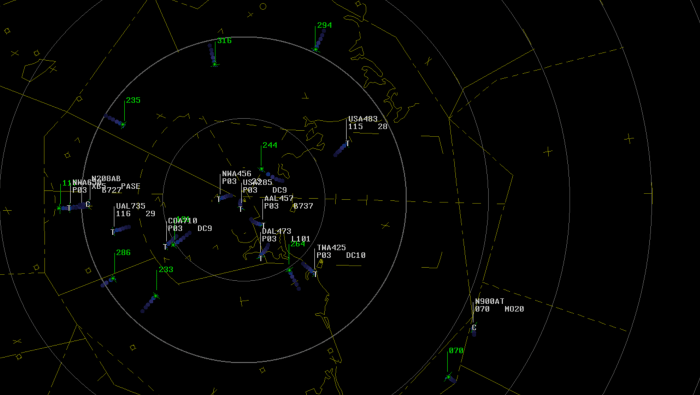
The spokesman said the TFR is a dynamic organism that the agency is “tweaking” and updating as required to accommodate the needs of Gulf operators and that it will stay in place “as long as the Coast Guard needs it.” He said Houston air traffic controllers are managing the increased volume of air traffic in the Gulf with the assistance of several U.S. Navy P-3 Orion airborne early warning and intelligence-gathering aircraft. Other factors also are smoothing out the increased traffic flow. Regular users of TFR airspace are being assigned semi-permanent transponder codes and Lunsford said the proliferation of automatic dependent surveillance-broadcast (ADS-B)-equipped helicopters in the Gulf also is making ATC easier. He estimated that between 40 and 50 helicopters currently operating in the Gulf are ADS-B equipped.
More In ATC